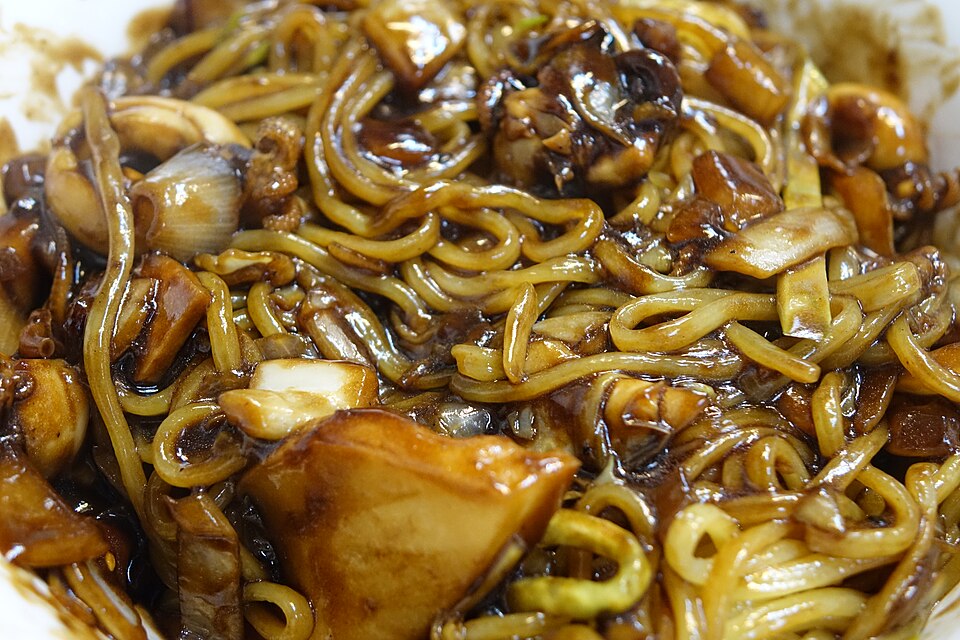
In the vibrant tapestry of Korean cuisine, few dishes hold the comforting embrace and universal appeal of Jajangmyeon. This beloved bowl of noodles, drenched in a glossy black bean sauce, isn’t just a meal; it’s a nostalgic symbol of special occasions, family gatherings, and the sheer joy of a satisfying take-out feast.
While distinctly Korean today, Jajangmyeon’s roots trace back to Chinese immigrants in Korea’s Incheon port city over a century ago. Adapting China’s *zhajiangmian* to local tastes, it evolved into a unique culinary phenomenon. Initially a celebratory dish, especially popular for graduations or moving days, its affordability and deliciousness quickly cemented its status as an everyday comfort food, becoming the quintessential Korean delivery staple.
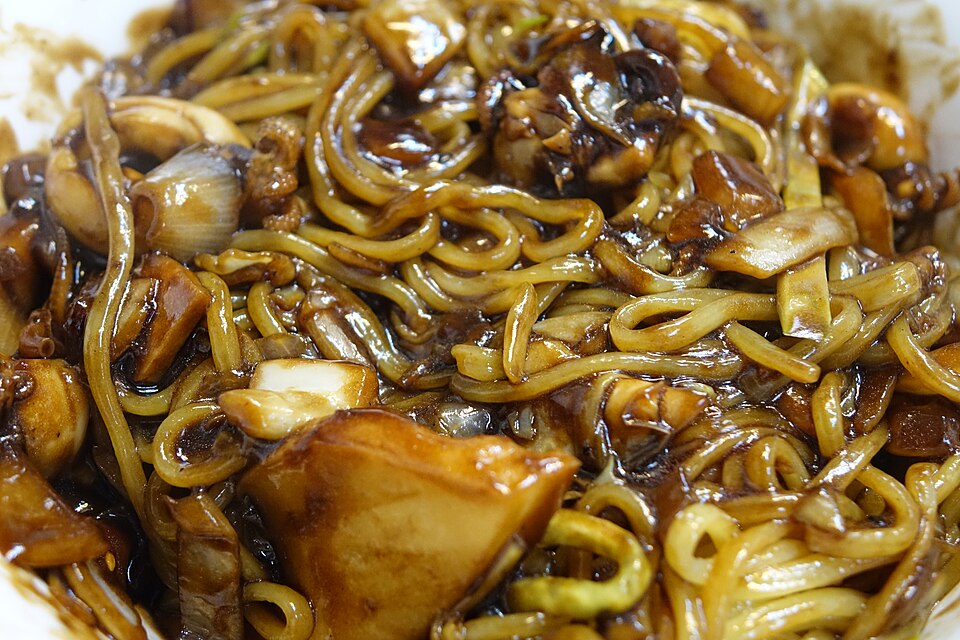
What makes Jajangmyeon so special lies in its distinctive flavor profile. The heart of the dish is *chunjang*, a rich, fermented black bean paste that, when stir-fried, develops an incredibly deep, savory, slightly bitter, and subtly sweet umami complexity. This thick, almost sticky sauce clings perfectly to bouncy, chewy wheat noodles, creating an irresistible textural contrast with tender pieces of pork or seafood, and diced vegetables like crunchy onions, zucchini, and cabbage. Each spoonful is a harmonious blend of earthy, sweet, and profoundly savory notes, making it a uniquely satisfying experience.
Beyond its incredible taste, Jajangmyeon offers surprising nutritional benefits. The foundation, *chunjang*, is made from fermented soybeans, which are a good source of plant-based protein and can contribute to gut health through the fermentation process itself. The dish is typically laden with a variety of vegetables like onions, zucchini, and cabbage, boosting its fiber, vitamin, and mineral content. When prepared with lean pork or chicken, it provides essential protein, contributing to a well-rounded meal. While high in carbohydrates from the noodles, Jajangmyeon, when balanced with ample vegetables and lean protein, serves as a hearty and energy-rich dish.
Craving to recreate this iconic dish? Here’s how to make a comforting bowl of Jajangmyeon at home:
**Homemade Jajangmyeon Recipe**
**Ingredients:**
* 500g fresh Korean wheat noodles (or thick spaghetti/udon)
* 1/2 cup (approx. 120g) Korean black bean paste (chunjang)
* 200g pork belly or shoulder, diced (or chicken breast, shrimp, tofu)
* 1 large onion, diced
* 1 medium zucchini, diced
* 2-3 large cabbage leaves, roughly diced
* 1 medium potato, peeled and diced (optional, but common)
* 4 tbsp cooking oil (vegetable or canola)
* 1-2 tbsp sugar (adjust to taste)
* 1 tbsp soy sauce
* 1 tbsp oyster sauce (optional, for extra umami)
* 2.5 cups (approx. 600ml) water or unsalted chicken/vegetable stock
* 1.5 tbsp cornstarch dissolved in 3 tbsp cold water (for slurry)
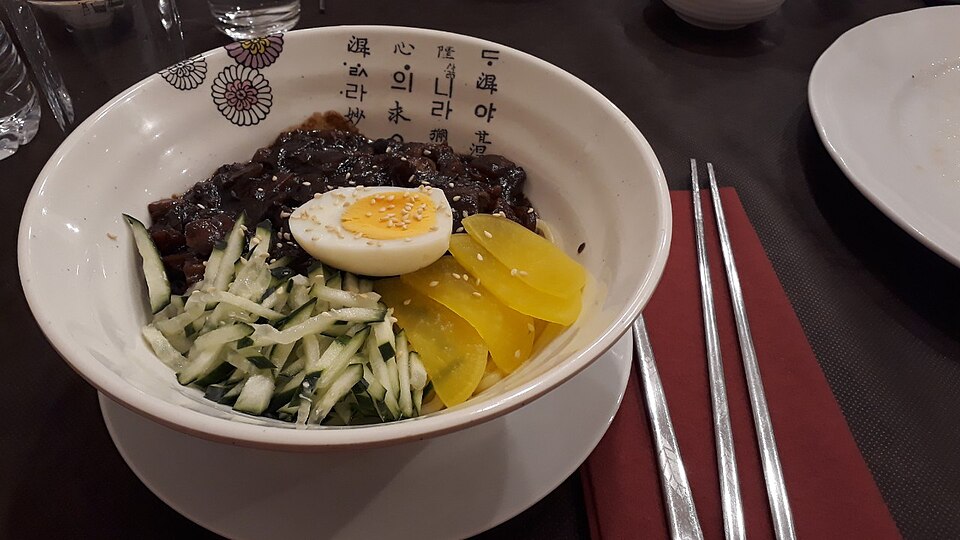
* Garnish: Fresh cucumber strips, a hard-boiled egg half (optional)
**Instructions:**
1. **Prepare Chunjang:** Heat 2 tablespoons of oil in a large wok or deep skillet over medium heat. Add the chunjang and stir-fry continuously for about 5-7 minutes until it smells fragrant and loses its raw, pasty aroma. Be careful not to burn it. Remove the chunjang to a separate bowl, leaving any excess oil in the pan.
2. **Cook Meat:** Add the remaining 2 tablespoons of oil to the same pan. Increase heat to medium-high. Add the diced pork and stir-fry until browned and cooked through, about 5-7 minutes.
3. **Sauté Vegetables:** Add the diced potato (if using) and onion to the pan with the pork. Stir-fry for 3-4 minutes until onions soften slightly. Then, add the zucchini and cabbage. Continue to stir-fry for another 3-5 minutes until vegetables are tender-crisp.
4. **Combine & Simmer:** Return the stir-fried chunjang to the pan with the meat and vegetables. Mix everything thoroughly for 1-2 minutes, ensuring all ingredients are coated in the black bean paste.
5. **Add Liquid & Seasoning:** Pour in the water or stock. Stir in the sugar, soy sauce, and oyster sauce (if using). Bring the mixture to a gentle simmer. Reduce heat to low and let it cook for 10-15 minutes, allowing the flavors to meld and the potatoes to soften completely.
6. **Thicken Sauce:** Stir the cornstarch slurry once more before adding it to the simmering sauce. Pour it in slowly while stirring constantly to prevent lumps. Continue to stir until the sauce thickens to a glossy, rich consistency. Remove from heat.
7. **Cook Noodles:** While the sauce simmers, boil the noodles according to package instructions until al dente. Drain them well and rinse briefly with warm water if using fresh noodles to remove excess starch.
8. **Serve:** Divide the hot noodles among bowls. Generously spoon the Jajangmyeon sauce over the top of the noodles. Garnish with fresh cucumber strips and a hard-boiled egg half, if desired. Mix well before enjoying!
Feature: K-Food Spotlight – Jajangmyeon