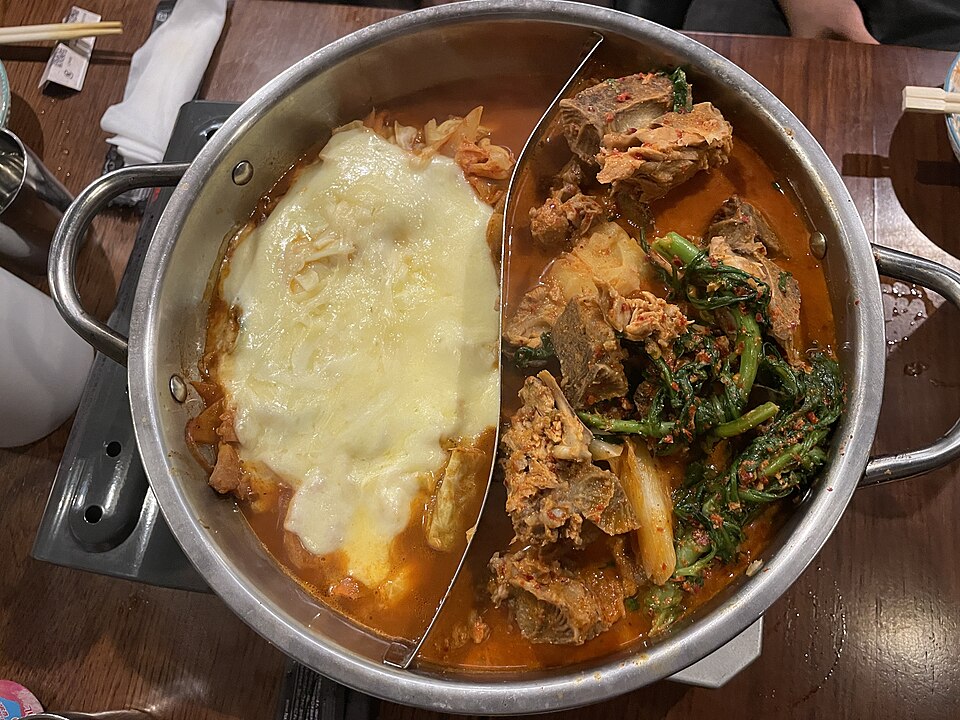
Few Korean dishes capture the essence of communal dining, bold flavors, and comforting warmth quite like Dakgalbi. Hailing from Chuncheon in Gangwon Province, this vibrant stir-fried chicken dish has transcended its regional origins to become a global K-food sensation, celebrated for its spicy, savory, and utterly satisfying profile.
Dakgalbi’s story began in the 1960s, emerging as an affordable alternative to more expensive grilled meats. “Dak,” meaning chicken, and “galbi,” referring to ribs, originally indicated chicken prepared in a rib-like fashion. It quickly gained popularity among students and soldiers in Chuncheon due to its low cost and hearty nature. Cooked right at the table in a large, flat pan, it fosters a lively, interactive dining experience – a true celebration of shared food and conversation.
What makes Dakgalbi so special is its dynamic flavor profile. Tender, bite-sized pieces of chicken are marinated in a fiery gochujang (Korean chili paste) based sauce, then stir-fried with an array of colorful vegetables like cabbage, sweet potato, onions, and carrots, often alongside chewy rice cakes (tteokbokki tteok). The sauce is a masterpiece of balance: intensely spicy from gochujang and gochugaru (chili powder), deeply savory from soy sauce, subtly sweet from sugar or honey, and aromatic with garlic and ginger. As it cooks, the flavors meld and deepen, creating a rich, complex umami bomb that tantalizes the taste buds. The varying textures—succulent chicken, crisp-tender vegetables, and soft, chewy rice cakes—add to its irresistible appeal.
Beyond its captivating taste, Dakgalbi offers several nutritional benefits. The primary ingredient, chicken, is an excellent source of lean protein, essential for muscle building and satiety. The generous inclusion of vegetables like cabbage, sweet potato, and onions provides a wealth of dietary fiber, vitamins (A, C, K), and minerals, supporting digestive health and boosting immunity. Gochujang, the star of the marinade, is a fermented food, meaning it contains beneficial bacteria (though some may be reduced during cooking) and contributes to a healthy gut microbiome through its prebiotics. Spices like garlic and ginger are well-regarded for their anti-inflammatory and antioxidant properties. While indulgent, Dakgalbi is a balanced meal that combines protein, carbohydrates, and a significant portion of vegetables.
Ready to bring the sizzling magic of Dakgalbi into your home kitchen? Here’s how to recreate this Korean classic.
**Home-Style Dakgalbi Recipe**
**Yields:** 2-3 servings
**Prep time:** 20 minutes + 30 minutes marinating
**Cook time:** 20-25 minutes
**Ingredients:**
* **For the Chicken:**
* 500g boneless, skinless chicken thighs, cut into 1-inch pieces
* **For the Marinade:**
* 3 tablespoons gochujang (Korean chili paste)
* 1 tablespoon gochugaru (Korean chili powder, adjust to taste)
* 2 tablespoons soy sauce
* 1 tablespoon sugar or honey
* 1 tablespoon minced garlic
* 1 teaspoon minced ginger
* 1 tablespoon rice wine (mirin or sake)
* 1 teaspoon sesame oil
* Pinch of black pepper
* **For the Vegetables & Add-ins:**
* 3-4 cups napa cabbage, roughly chopped
* 1 medium sweet potato, peeled and sliced into ¼-inch thick rounds
* 1 medium onion, sliced
* ½ carrot, thinly sliced or julienned
* 100g cylindrical rice cakes (tteokbokki tteok), soaked in warm water for 10 minutes if hard
* 2 green onions, sliced diagonally
* 5-6 perilla leaves (kkaennip), optional, thinly sliced
* 1 tablespoon cooking oil (e.g., vegetable or canola)
**Instructions:**
1. **Prepare Chicken & Marinade:** In a large bowl, combine all marinade ingredients. Add the cut chicken pieces and mix thoroughly, ensuring every piece is coated. Cover and refrigerate for at least 30 minutes, or up to 2 hours for deeper flavor.
2. **Prepare Vegetables:** While the chicken marinates, chop and slice all your vegetables. Drain the soaked rice cakes.
3. **Heat the Pan:** Heat a large, heavy-bottomed pan or skillet (a cast-iron pan works wonderfully) over medium-high heat. Add 1 tablespoon of cooking oil.
4. **Cook Chicken:** Add the marinated chicken to the hot pan and stir-fry for about 5-7 minutes, until the chicken is mostly cooked through and lightly browned.
5. **Add Hardier Vegetables:** Add the sweet potato, onion, and carrot to the pan. Stir-fry for another 5 minutes, mixing them with the chicken and sauce, until the vegetables start to soften.
6. **Add Cabbage & Rice Cakes:** Incorporate the napa cabbage and drained rice cakes. Continue to stir-fry, occasionally pushing down the cabbage, until it wilts and the rice cakes become soft and chewy (about 7-10 minutes). Ensure everything is cooked through. If the pan seems dry, you can add a tablespoon or two of water or chicken broth.
7. **Finishing Touches:** Turn off the heat. Stir in the sliced green onions and perilla leaves (if using).
8. **Serve:** Transfer directly to serving plates or keep warm in the pan at the table. Enjoy immediately with a bowl of steamed rice. For an authentic experience, try adding shredded mozzarella cheese on top in the last few minutes of cooking and cover until melted!
Feature: K-Food Spotlight – Dakgalbi