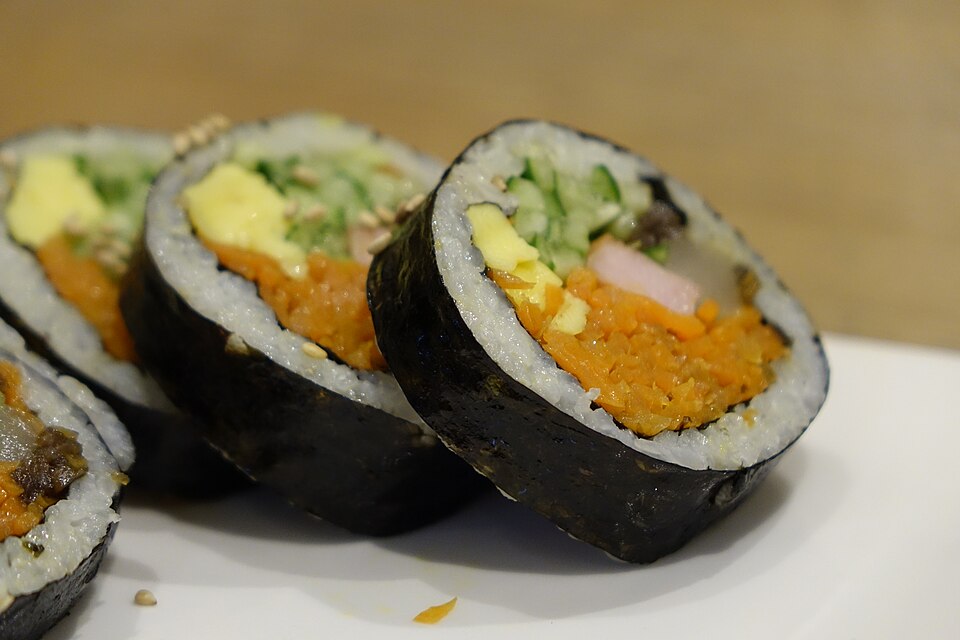
In the vibrant tapestry of Korean cuisine, few dishes encapsulate convenience, flavor, and wholesome goodness quite like Kimbap. Often likened to its Japanese cousin, sushi, Kimbap carves out its own distinct identity, rooted deeply in Korean culture. Historically, Kimbap has been the quintessential Korean picnic food, packed lunch, and travel snack – an ingenious way to combine a full, balanced meal into a portable, easy-to-eat roll. Its origins are intertwined with the accessibility of nori (seaweed sheets) and a culinary tradition of combining various ingredients for a complete, nutritious bite, making it a beloved staple across generations.
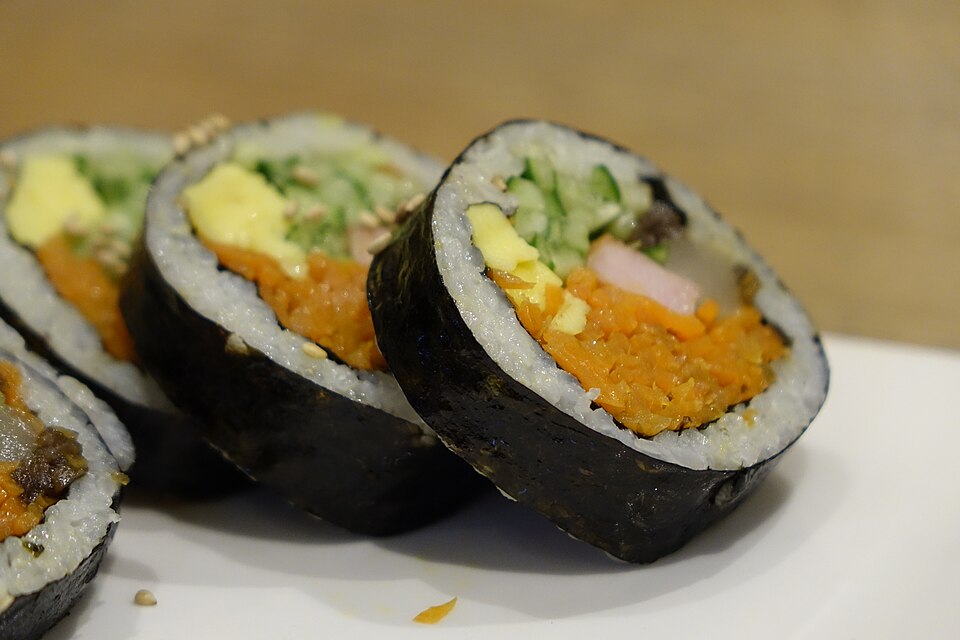
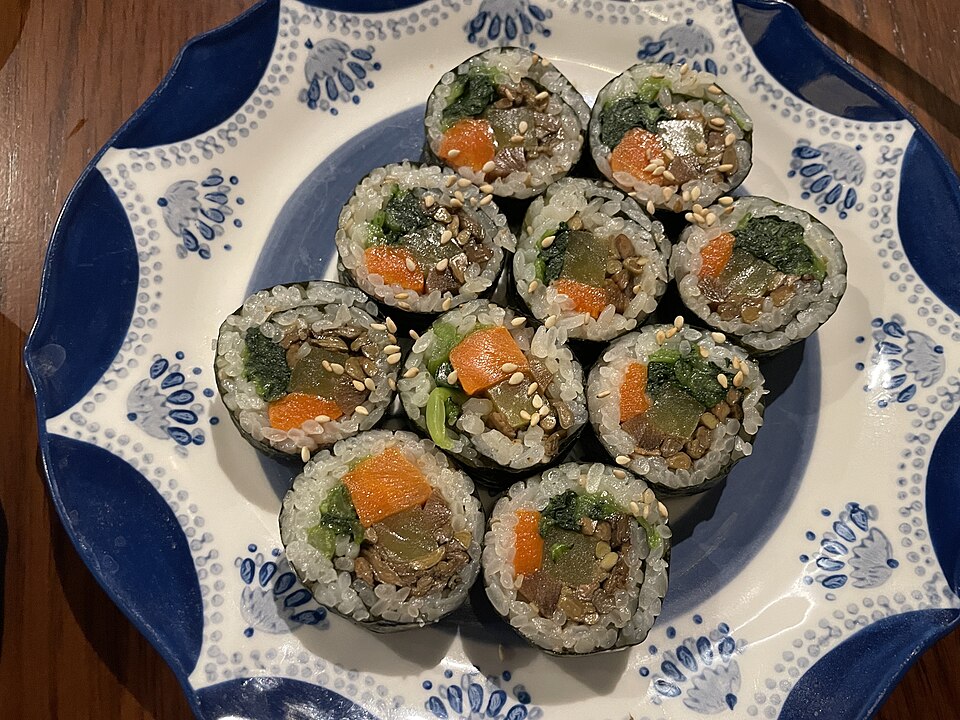
What makes Kimbap truly special is its harmonious blend of flavors and textures. Unlike sushi, which primarily features vinegared rice, Kimbap rice is seasoned with a generous drizzle of sesame oil and a pinch of salt, imparting a distinct nutty, savory aroma that is instantly recognizable and incredibly comforting. Inside, a colorful mosaic of ingredients awaits: crisp julienned carrots, tender blanched spinach, savory egg omelet strips, crunchy pickled radish (danmuji), and often a protein like seasoned beef, ham, or imitation crab. Each bite offers a delightful symphony – the gentle snap of the nori, the softness of the seasoned rice, the crunch of fresh vegetables, and the chewiness of the protein, all brought together by that signature nutty sesame warmth. It’s a dish that manages to be both fresh and deeply satisfying, light yet filling, offering a dynamic and engaging eating experience.
Beyond its delectable taste, Kimbap is a nutritional powerhouse. It’s an excellent vehicle for incorporating a wide array of vegetables, providing essential vitamins, minerals, and dietary fiber, crucial for digestive health. Ingredients like spinach and carrots contribute iron, Vitamin K, and beta-carotene. The nori seaweed itself is a good source of iodine, calcium, and B vitamins. Paired with lean protein fillings such as beef, chicken, or egg, Kimbap offers a balanced macronutrient profile, supporting muscle health and sustained energy levels. The sesame oil, while a flavor star, also contributes healthy unsaturated fats. It’s a complete meal in a roll, making it a smart and wholesome choice for any time of day, embodying both convenience and wellness without sacrificing flavor.
Ready to roll your own culinary masterpiece? Here’s a simple guide to creating delicious Kimbap at home.
**Home-Style Kimbap Recipe**
**Ingredients:**
* **For the Rice:**
* 2 cups short-grain white rice, cooked and slightly cooled
* 1 tablespoon sesame oil
* ½ teaspoon salt
* **For the Fillings:**
* 6-8 sheets dried seaweed (nori) for Kimbap
* 2 large eggs, whisked with a pinch of salt
* 1 large carrot, julienned
* 5 oz fresh spinach, blanched, squeezed dry, and seasoned with a pinch of salt and ½ tsp sesame oil
* 1 cup julienned pickled yellow radish (danmuji), squeezed dry if watery
* 4-5 imitation crab sticks, shredded or halved lengthwise
* (Optional Protein: 4 oz beef bulgogi strips, cooked; or 4 oz ham, sliced and lightly pan-fried)
* Olive oil or cooking oil for sautéing
* **For Assembly:**
* Extra sesame oil for brushing
* Sesame seeds for garnish (optional)
* A bamboo rolling mat (gimbal) is highly recommended
**Instructions:**
1. **Prepare the Rice:** In a large bowl, gently mix the cooked and slightly cooled rice with 1 tablespoon sesame oil and ½ teaspoon salt. Set aside.
2. **Prepare the Egg Strips:** Heat a lightly oiled non-stick pan over medium heat. Pour in the whisked eggs to make a thin omelet. Cook until set, flip, and cook briefly on the other side. Let cool, then slice into thin strips.
3. **Prepare the Carrot:** Heat a little oil in the same pan. Sauté the julienned carrot for 2-3 minutes until slightly tender-crisp. Season with a tiny pinch of salt. Remove from pan.
4. **Prepare Other Fillings:** Ensure your blanched and seasoned spinach is well-drained. Slice your pickled radish and protein (if using) into appropriate lengths and widths to fit the roll.
5. **Assemble the Kimbap:** Lay a sheet of nori, shiny side down, on your bamboo rolling mat. Spread a thin, even layer of seasoned rice over about 2/3 of the nori, leaving a 1-inch strip bare at the top edge. Do not overfill the rice, as it will make rolling difficult.
6. **Arrange the Fillings:** Place a small amount of each filling ingredient in a neat line across the rice, about 1/3 of the way up from the bottom edge. Arrange them closely together for a compact roll.
7. **Roll Tightly:** Using the bamboo mat, carefully lift the bottom edge of the nori and roll it over the fillings. Press down firmly to create a tight cylinder. Continue rolling, pulling the mat back as you go, ensuring a very tight roll. The bare nori strip at the top should seal the roll.
8. **Seal and Slice:** Once rolled, brush the surface of the Kimbap with a thin layer of sesame oil and sprinkle with sesame seeds (if using). This adds shine and flavor. Using a sharp, damp knife, slice the Kimbap into 1/2 to 3/4-inch thick rounds.
Serve immediately and enjoy your homemade taste of Korea!
Feature: K-Food Spotlight – Kimbap