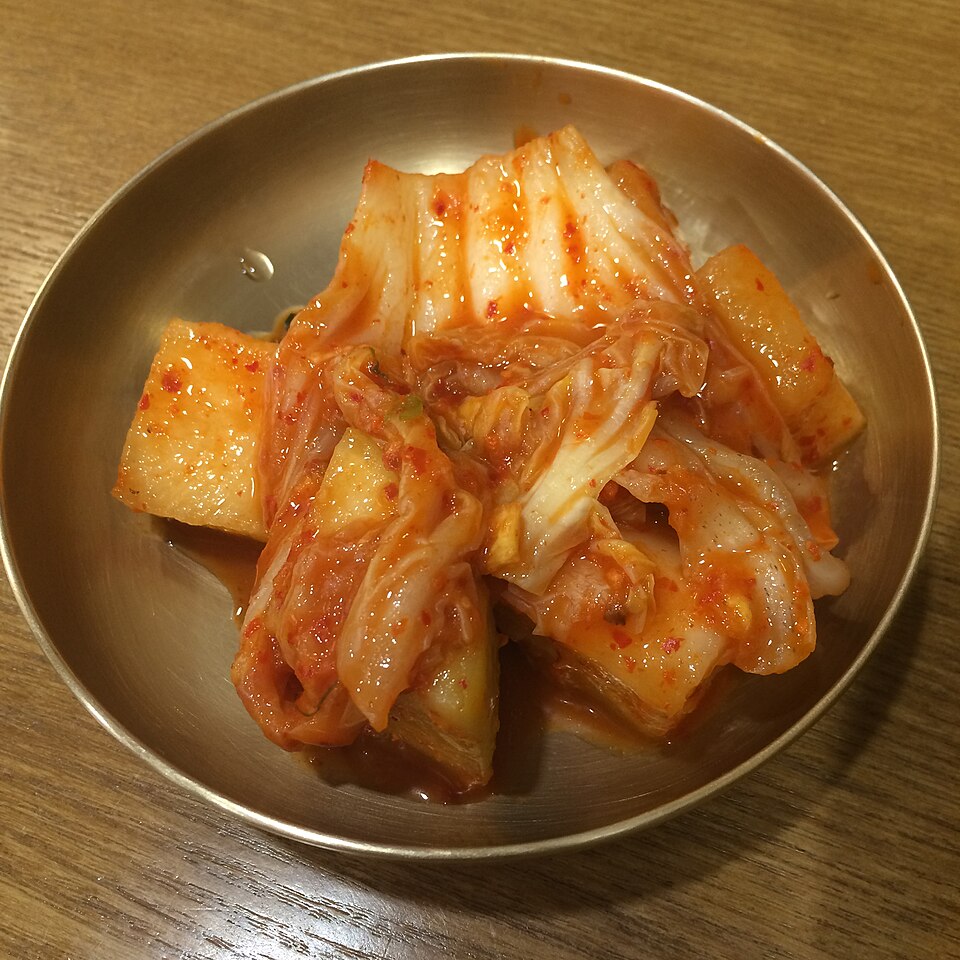
When thinking of Korean kimchi, the ubiquitous napa cabbage variety often springs to mind. Yet, delve a little deeper into Korea’s rich culinary tapestry, and you’ll discover a vibrant constellation of fermented side dishes, each with its own unique character. Among these stars, Kkakdugi, or Radish Kimchi, shines brightly, offering a delightful alternative that is equally revered on Korean tables.
Kkakdugi has been a staple in Korean households for centuries, born from a need to preserve vegetables through harsh winters. While traditional kimchi uses whole cabbage leaves, kkakdugi utilizes chunky cubes of Korean radish (mu), a practice that emerged to ensure every bite delivers a satisfying crunch. This accessible and versatile kimchi is a beloved banchan (side dish), gracing everything from hearty stews to simple rice meals, offering a refreshing counterpoint to richer flavors.
What truly makes Kkakdugi special is its exhilarating interplay of textures and tastes. Imagine a crisp, succulent radish cube, bursting with a savory-spicy kick from Korean chili flakes (gochugaru), a pungent warmth from fresh garlic and ginger, and a complex umami depth from fish sauce. The initial bite delivers a satisfying crunch, followed by a juicy, tangy, and subtly sweet sensation that perfectly balances the heat. As it ferments, the flavors meld and deepen, developing a more pronounced sourness and an even richer complexity, transforming the humble radish into an addictive culinary masterpiece.
Beyond its tantalizing taste, Kkakdugi offers a host of health benefits. As a fermented food, it’s a natural source of probiotics, beneficial bacteria that support gut health, aid digestion, and may even boost the immune system. The main ingredient, Korean radish, is packed with Vitamin C, essential for immunity, and dietary fiber, which promotes digestive regularity. The vibrant red gochugaru brings capsaicin, known for its metabolism-boosting and anti-inflammatory properties, while garlic and ginger contribute powerful antioxidants and anti-viral compounds. Kkakdugi is a low-calorie, nutrient-dense addition to any meal, providing essential vitamins and minerals without significant fat or sugar.
- Kkakdugi (Radish Kimchi) Home Recipe**
This recipe yields a medium batch, perfect for a home cook abroad to discover the delights of Kkakdugi.
- Ingredients:**
- 1.5 kg Korean radish (mu), about 2 large radishes
- 3 tablespoons coarse sea salt (or pickling salt)
- 1/2 cup gochugaru (Korean chili flakes), adjust to your spice preference
- 1/4 cup fish sauce
- 1/4 cup sugar (or 3 tablespoons Korean plum extract for deeper flavor)
- 1/4 cup minced garlic (about 6-8 cloves)
- 2 tablespoons minced fresh ginger
- 1/4 cup chopped green onions (about 3-4 stalks)
- Optional: 2 tablespoons sweet rice flour paste (mix 1 tbsp flour with 1/2 cup water, simmer until thickened, cool) for thicker sauce
- Instructions:**
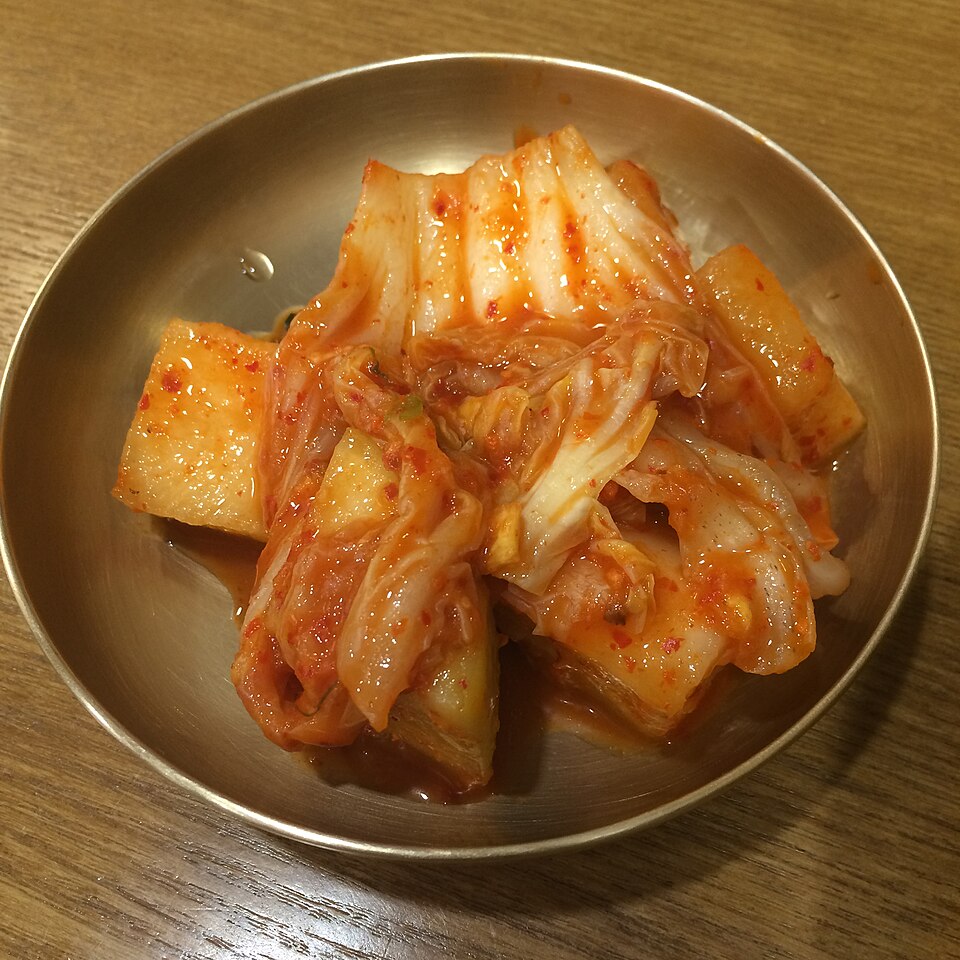
1. Prepare Radish: Wash and lightly peel the Korean radishes. Cut them into 1-inch (2.5 cm) cubes.
2. Salt Radish: In a large bowl, toss the radish cubes with the coarse sea salt. Let them sit for 30-45 minutes, stirring occasionally, until they release water and soften slightly. This draws out excess moisture and helps preserve the crunch.
3. Rinse and Drain: Thoroughly rinse the salted radish under cold running water, then drain well. You can gently squeeze excess water, but avoid over-squeezing which can make them mushy. Set aside to drain in a colander for at least 15-20 minutes.
4. Make Seasoning Paste: While the radish drains, combine gochugaru, fish sauce, sugar (or plum extract), minced garlic, minced ginger, and the optional cooled sweet rice flour paste in a separate large bowl. Mix well until a thick, vibrant red paste forms.
5. Combine and Mix: Add the well-drained radish cubes and the chopped green onions to the bowl with the seasoning paste. Using clean hands (wearing gloves is recommended to avoid chili irritation and staining), thoroughly mix everything together, ensuring each radish cube is evenly coated with the paste.
6. Pack and Ferment: Transfer the Kkakdugi mixture into a clean, airtight glass jar or food-grade container, pressing down firmly to remove any air pockets. Leave about an inch of headspace.
7. Initial Fermentation: Leave the jar at room temperature (around 20-22°C / 68-72°F) for 1-2 days. Taste it after a day; if it’s slightly sour and bubbly, it’s ready to refrigerate. The exact fermentation time depends on the ambient temperature.
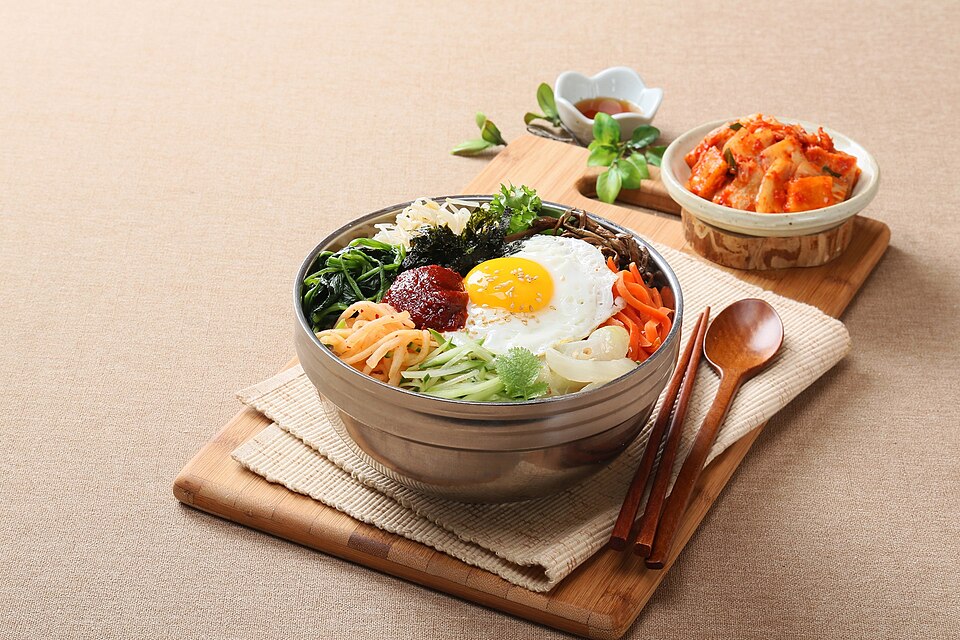
8. Refrigerate: Once fermented to your liking, move the Kkakdugi to the refrigerator. It will continue to ferment slowly and develop deeper flavors over several weeks.
- Tips & Variations:**
- For an extra layer of sweetness and a smoother sauce, blend 1/4 cup grated Asian pear or apple into your seasoning paste.
- Adjust the amount of gochugaru and fish sauce to suit your taste; start with less and add more if needed.
- Storage:**
Store Kkakdugi in an airtight container in the refrigerator for up to 2-3 months. Its flavor will continue to deepen and sour over time.
- FAQ:**
Q: Can I use regular red radishes instead of Korean radish?
A: While Korean radish (mu) is traditional for its size and crispness, you can experiment with daikon radish (Japanese white radish) which has a similar texture and mild flavor.
Q: Why do I need to salt the radish before mixing?
A: Salting draws out excess water from the radish, preventing the kimchi from becoming watery and ensuring a satisfyingly crisp texture after fermentation.
Feature: K-Food Spotlight – Kkakdugi (Radish Kimchi)