For fans across the globe captivated by K-pop, K-dramas, and delicious Korean food, the vibrant culture of South Korea often feels deeply modern and dynamic. Yet, beneath the dazzling lights of Seoul and the catchy tunes of your favorite idols lies a profound history, continuously celebrated and preserved. A recent session in Busan highlighted significant efforts to bring two fascinating aspects of this rich heritage into the global spotlight: ancient tombs and a spectacular fire festival.
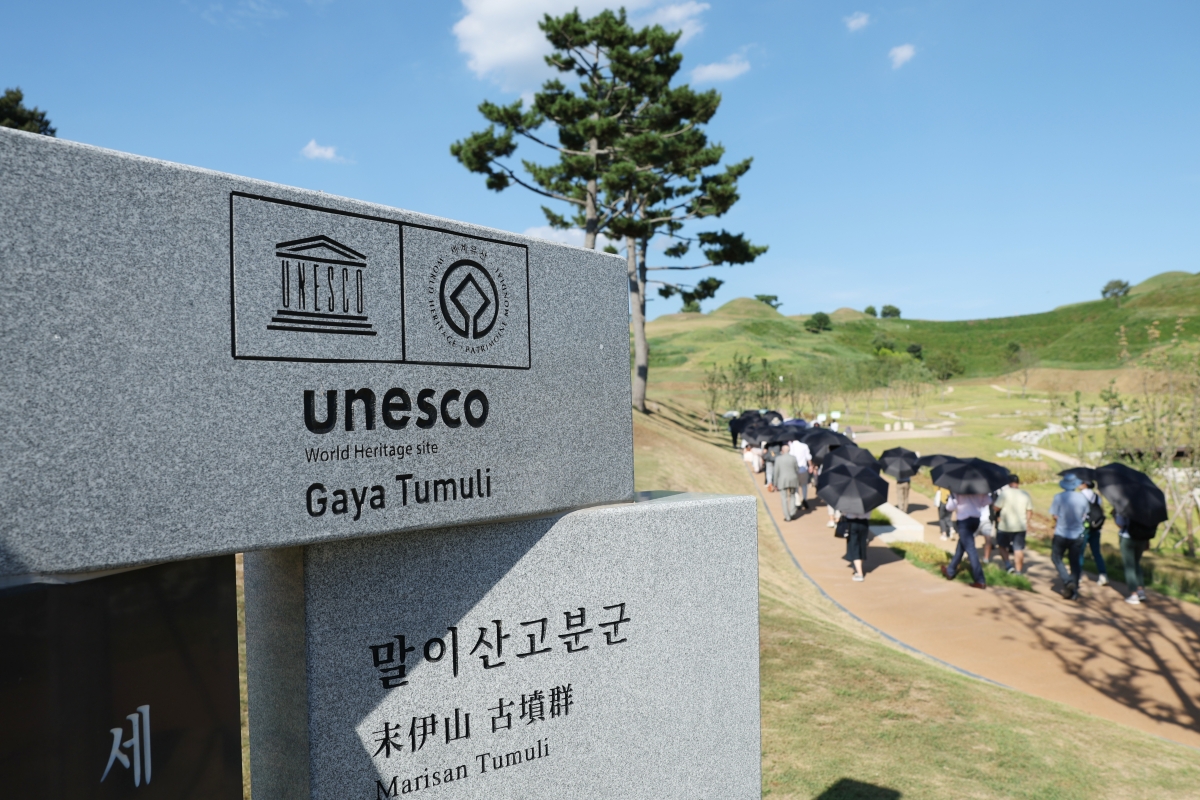
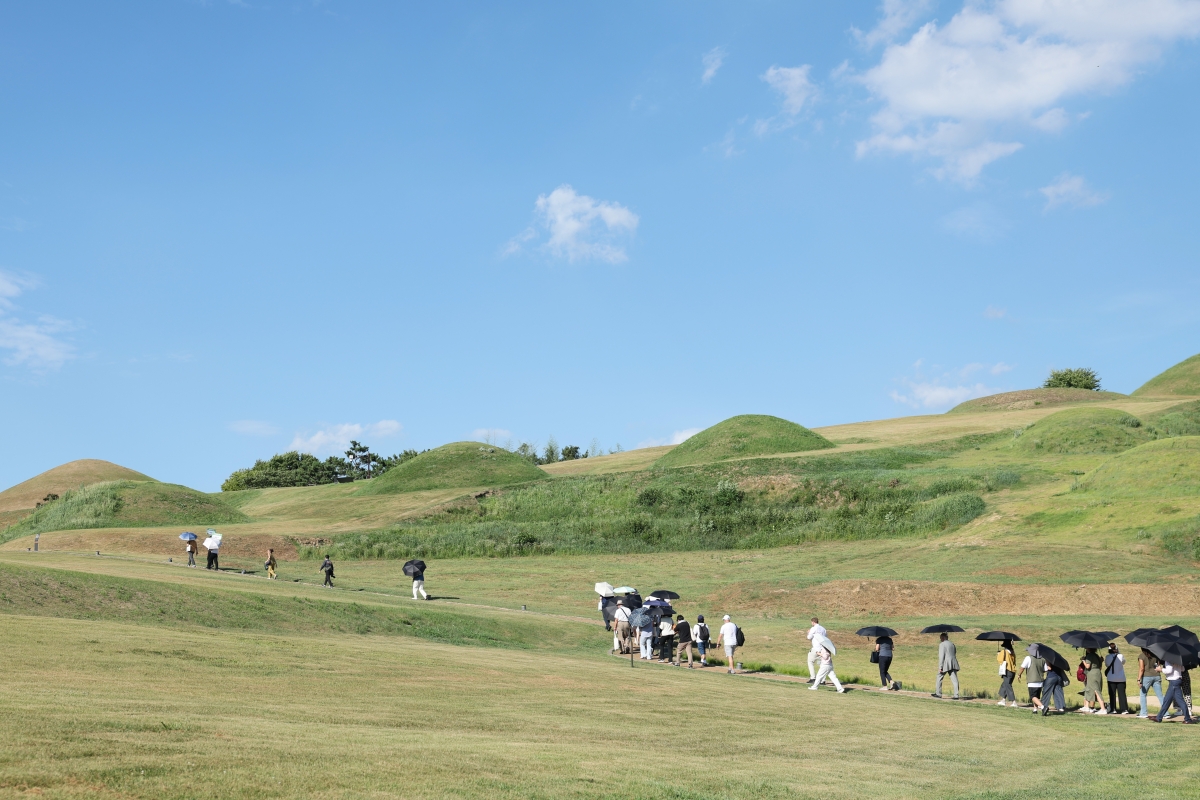
South Korea is deeply proud of its past, and its commitment to safeguarding historical sites is evident in its ongoing push for UNESCO World Heritage recognition. Among the treasures championed are the ancient Gaya tumuli, or royal burial mounds. These aren’t just hills; they are invaluable archaeological sites, offering a window into the Gaya Confederacy, a cluster of ancient city-states that flourished in the southern Korean Peninsula from the 1st to the 6th century. For those engrossed in historical K-dramas, these tombs provide a tangible link to the kingdoms and figures we see dramatized on screen, revealing sophisticated burial practices and intricate artifacts that tell stories of power, belief, and daily life centuries ago. Preserving these sites is crucial not only for academic study but for allowing a global audience to connect with Korea’s foundational history.
Adding a more contemporary, yet equally traditional, flavor to Busan’s cultural offerings is its renowned fire festival. While not directly tied to ancient tombs, such festivals are living traditions that showcase the dynamism of Korean culture. The Busan Fire Festival, often featuring breathtaking fireworks displays and community gatherings, embodies the spirit of celebration and continuity. It lights up the city, drawing locals and tourists alike to witness spectacular light and sound. For international fans eager to experience Korea beyond concert venues and trendy cafes, participating in a local festival offers an immersive dive into the communal joy and artistic expression that are hallmarks of Korean society. These events are not merely spectacles; they are opportunities to engage directly with the cultural rhythm of the country, experiencing firsthand how ancient roots blossom into modern traditions.
These initiatives, whether the meticulous preservation of millennia-old burial sites or the joyous spectacle of a city-wide festival, underscore Korea’s dedication to presenting its multifaceted identity. They remind us that K-culture is a broad and intricate tapestry woven from historical depth, artistic innovation, and communal spirit. As international interest in Korea continues to grow, understanding and appreciating these deeper cultural layers enriches the entire fan experience, offering new avenues for exploration and connection. So next time you’re planning a trip or diving deeper into Korean history, remember that there’s a whole world of ancient wonders and vibrant traditions waiting to be discovered, often right alongside the modern marvels.
Quick Facts
- South Korea is actively promoting ancient Gaya tumuli for UNESCO World Heritage recognition.
- These ancient tombs offer insights into the Gaya Confederacy, which existed from the 1st to the 6th century.
- Busan also hosts a prominent fire festival, a vibrant cultural event showcasing modern Korean traditions.
- These efforts collectively highlight Korea’s commitment to preserving and promoting its diverse cultural heritage.
Source: Korea.net Culture News (https://www.korea.net/NewsFocus/Culture/view?articleId=296784)