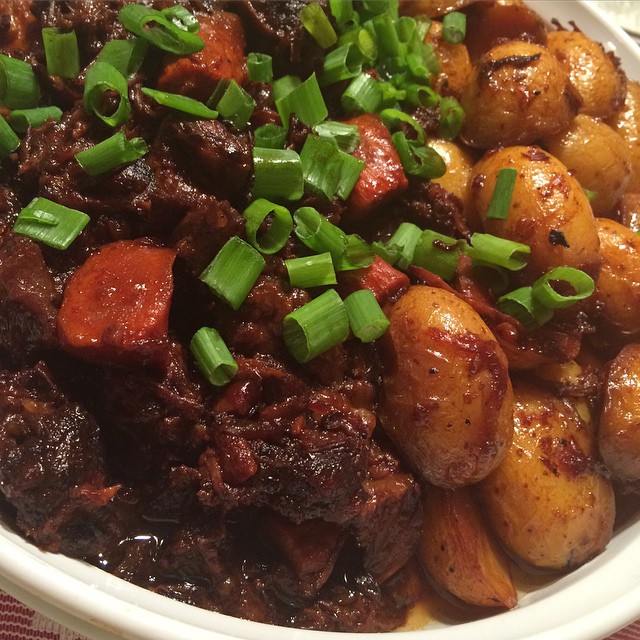
In the vibrant tapestry of Korean cuisine, some dishes resonate with a unique blend of heritage, flavor, and heartwarming comfort. Among these, Galbi-jjim, or Korean Braised Short Ribs, stands out as a true culinary jewel. Revered for its tender meat and deeply savory sauce, this dish is more than just food; it’s a symbol of celebration, family gatherings, and the rich culinary traditions passed down through generations. Historically, Galbi-jjim was a dish reserved for royalty and special occasions, a testament to the effort and premium ingredients involved. Today, while still gracing holiday tables like Chuseok and Lunar New Year, it’s a beloved classic enjoyed by many, representing abundance and good fortune.
The allure of Galbi-jjim lies in its incredibly complex yet harmonious flavor profile. Each bite delivers a burst of umami from soy sauce, balanced by a subtle sweetness derived from fruit (often Korean pear or apple), sugar, and sometimes jujubes. Aromatic notes of garlic, ginger, and sesame oil weave through the rich, slightly sticky sauce, coating succulent short ribs that literally fall off the bone. The long, slow braising process is key, transforming tough cuts of meat into unbelievably tender morsels, infused with the deep, savory liquid. It’s a warming, comforting dish that speaks to the soul, deeply satisfying with its perfect balance of savory, sweet, and aromatic spices.
Beyond its exquisite taste, Galbi-jjim offers several nutritional benefits, provided it’s enjoyed as part of a balanced diet. The beef short ribs are an excellent source of high-quality protein, essential for muscle repair and growth, and provide vital B vitamins and iron. The generous inclusion of vegetables like carrots and daikon radish adds a wealth of dietary fiber, vitamins (such as Vitamin A from carrots), and minerals. Dried shiitake mushrooms contribute further vitamins and a distinct umami flavor. Spices like garlic and ginger are well-regarded for their natural compounds. While the cooking process changes some properties, fermented ingredients like soy sauce contribute to the dish’s profound depth of flavor.
Here’s how to bring the magic of Galbi-jjim to your own kitchen:
- Galbi-jjim (Braised Short Ribs) Recipe**
- Ingredients:**
- 2.5 lbs (approx. 1.2 kg) bone-in beef short ribs, English cut
- For the Marinade/Braising Liquid:
- 1/2 cup (120ml) soy sauce
- 2 cups (480ml) water or beef broth
- 1/4 cup (60ml) mirin (rice wine)
- 3 tablespoons brown sugar or honey
- 5-6 cloves garlic, minced
- 1 tablespoon fresh ginger, grated
- 1/2 medium Korean pear or Fuji apple, grated (about 1/2 cup)
- 1 tablespoon sesame oil
- 1/2 teaspoon black pepper
- Vegetables & Add-ins:
- 2 medium carrots, peeled and cut into 1.5-inch chunks
- 1/2 medium daikon radish, peeled and cut into 1.5-inch chunks (optional)
- 4-5 dried shiitake mushrooms, rehydrated and stemmed (or fresh cremini mushrooms)
- 3-4 dried jujubes (Korean dates), optional
- 5-6 chestnuts, peeled (canned or fresh), optional
- For Garnish:
- Chopped scallions
- Toasted sesame seeds
- Instructions:**
1. Prepare the Ribs: Rinse the short ribs under cold water. For extra cleanliness and to remove impurities, you can blanch them: bring a pot of water to a boil, add ribs, cook for 5-7 minutes, then drain and rinse thoroughly. Trim any excess fat.
2. Make the Marinade: In a large bowl, whisk together the soy sauce, water/broth, mirin, brown sugar/honey, minced garlic, grated ginger, grated pear/apple, sesame oil, and black pepper.
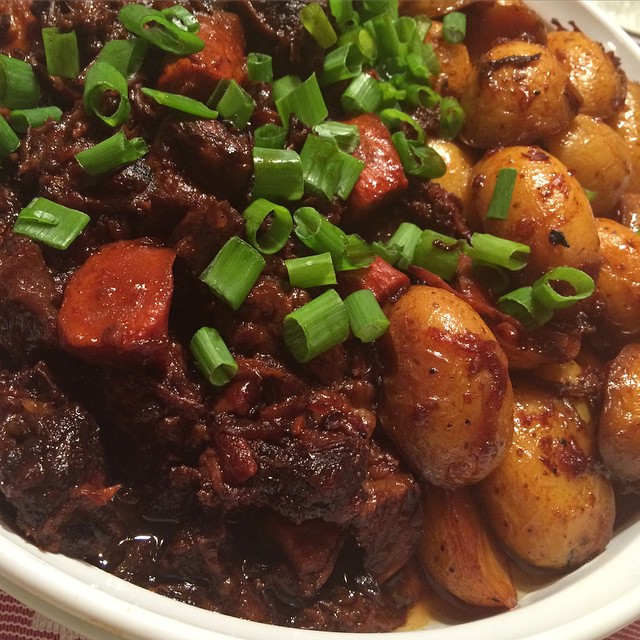
3. Marinate (Optional but Recommended): Add the prepared short ribs to the marinade, ensuring they are well coated. Cover and refrigerate for at least 2 hours, or preferably overnight, to allow flavors to penetrate.
4. Braise the Ribs: Transfer the ribs and marinade to a large heavy-bottomed pot or Dutch oven. Bring the mixture to a boil over medium-high heat. Once boiling, reduce the heat to low, cover, and simmer for 1 hour.
5. Add Vegetables: After 1 hour, add the carrots, daikon (if using), rehydrated shiitake mushrooms, jujubes, and chestnuts (if using) to the pot. Stir gently to submerge.
6. Continue Braising: Cover again and continue to simmer for another 1 to 1.5 hours, or until the short ribs are incredibly tender and easily pull away from the bone. The vegetables should also be tender.
7. Adjust Seasoning & Thicken (Optional): Taste the sauce and adjust sweetness or saltiness if needed. If the sauce is too thin, you can remove the ribs and vegetables temporarily, then reduce the sauce over medium-high heat until it thickens slightly.
8. Serve: Transfer the Galbi-jjim to a serving platter or individual bowls. Garnish generously with chopped scallions and toasted sesame seeds. Serve hot with a bowl of steamed rice and other Korean side dishes.
- Tips & Variations:**
- For an even richer flavor, briefly sear the blanched short ribs in a hot pan with a touch of oil before adding them to the marinade for braising.
- If you prefer a spicier kick, add 1-2 teaspoons of gochugaru (Korean chili flakes) to the marinade.
- Storage:**
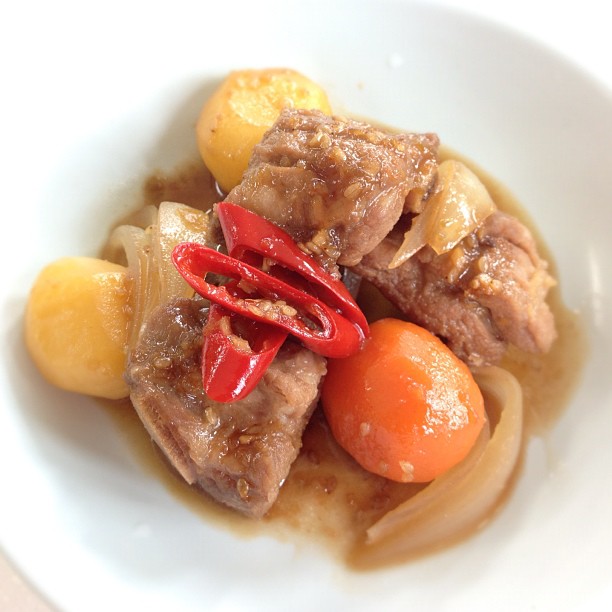
Store cooled leftovers in an airtight container in the refrigerator for up to 3-4 days. Galbi-jjim often tastes even better the next day as the flavors deepen.
- FAQ:**
Q: Can I use boneless short ribs for this recipe?
A: Yes, you can use boneless short ribs, but the cooking time will be slightly shorter (check for tenderness after about 1.5 hours total braising).
Q: What can I substitute for Korean pear?
A: A Fuji or Bosc apple can be used as a substitute for Korean pear, or a few tablespoons of pineapple juice for similar tenderizing and sweetening effects.
Feature: K-Food Spotlight – Galbi-jjim (Braised Short Ribs)