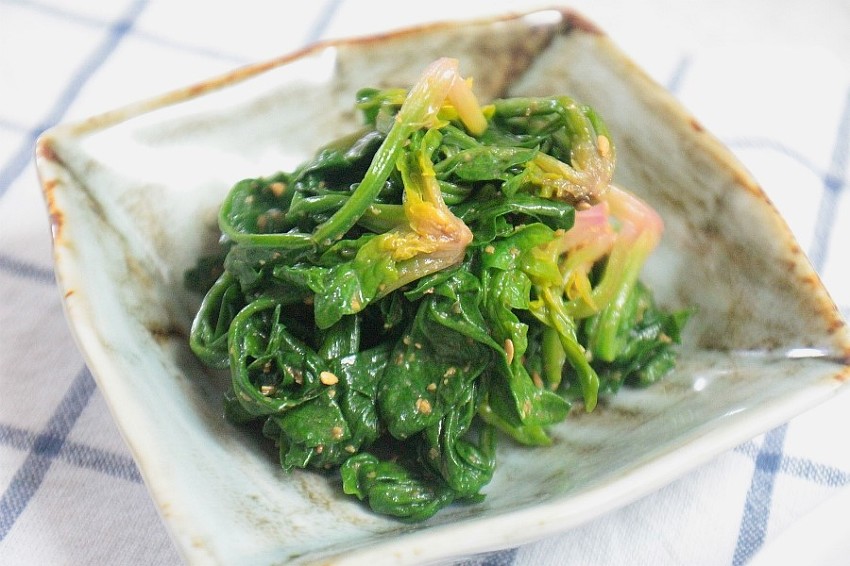
In the vibrant tapestry of Korean cuisine, where bold flavors often take center stage, there exists a quiet elegance in the category of banchan—the array of small, delectable side dishes accompanying almost every meal. Among these, Sigeumchi Namul, or seasoned spinach, stands out as a beloved classic. More than just a simple vegetable dish, it’s a testament to Korean culinary philosophy: elevating humble ingredients through careful preparation and balanced seasoning.
The tradition of namul dates back centuries, reflecting a deep connection to nature and seasonal eating. Typically referring to blanched, steamed, or stir-fried vegetables seasoned with various ingredients, namul are staples on any Korean table, from everyday family dinners to elaborate festive spreads. Sigeumchi Namul, with its delicate green leaves and subtle seasonings, is a cornerstone, often found nestled alongside kimchi, grilled meats, or forming a crucial component of bibimbap. Its simplicity belies its profound presence, offering a refreshing counterpoint to richer dishes and a consistent dose of wholesome goodness.
What makes Sigeumchi Namul truly special is its harmonious flavor profile. The star, fresh spinach, is quickly blanched to preserve its natural sweetness and vibrant green hue, while maintaining a pleasingly tender yet slightly crisp texture. This gentle treatment allows the spinach’s inherent earthy notes to shine through. It’s then lightly dressed with a fragrant trio: nutty sesame oil, savory soy sauce, and aromatic minced garlic. A sprinkle of toasted sesame seeds adds a delicate crunch and an extra layer of nutty depth. The result is a dish that is at once refreshing, savory, and subtly umami-rich – a perfect balance that complements a wide range of main courses without overpowering them.
Beyond its delightful taste, Sigeumchi Namul is a nutritional powerhouse. Spinach is renowned for being incredibly rich in vitamins, particularly Vitamin K, Vitamin A, and Vitamin C, along with folate and a host of minerals like iron and magnesium. These nutrients contribute to bone health, immune function, and overall vitality. The low-calorie nature and high fiber content of spinach also support digestive health. When prepared as namul, with minimal cooking and simple, healthy fats from sesame oil, it becomes an accessible and delicious way to incorporate essential greens into your daily diet, making it a smart choice for anyone seeking wholesome, plant-based nutrition.
- Sigeumchi Namul: Home Recipe**
- Ingredients:**
- 1 large bunch (approx. 450g / 1 lb) fresh spinach
- 2 cloves garlic, minced
- 2 teaspoons soy sauce (light or regular)
- 2 teaspoons sesame oil
- 1 teaspoon toasted sesame seeds
- Pinch of salt (for blanching water and seasoning to taste)
- Water (for blanching)
- Instructions:**
1. Thoroughly wash the spinach under cold running water, trimming off any tough or discolored ends.
2. Bring a large pot of water to a rolling boil. Add a generous pinch of salt to the boiling water.
3. Add the spinach to the boiling water and blanch for only 30-60 seconds, or until just wilted and bright green. Do not overcook.
4. Immediately transfer the blanched spinach to a bowl of ice water to stop the cooking process and preserve its vibrant color.
5. Once cooled, drain the spinach and gently squeeze out as much excess water as possible. It’s important to remove moisture to prevent the dish from becoming watery and to allow seasonings to absorb effectively.
6. Place the squeezed spinach in a mixing bowl. Add the minced garlic, soy sauce, sesame oil, and toasted sesame seeds.
7. Using your hands, gently massage the seasonings into the spinach, ensuring everything is evenly coated. Taste and add a tiny pinch more salt if needed, adjusting to your preference.
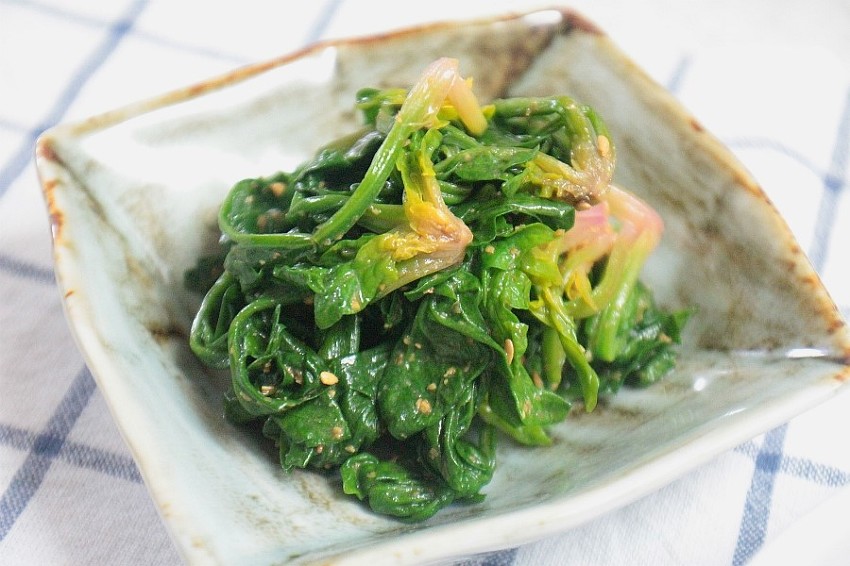
8. Serve immediately as a refreshing side dish, or chill briefly for enhanced flavor.
Tips & Variations
- For a more intense garlic flavor, let the seasoned spinach rest for 15-20 minutes before serving.
- A dash of gochugaru (Korean chili flakes) can be added for a subtle spicy kick.
Storage
Store leftover Sigeumchi Namul in an airtight container in the refrigerator for up to 3 days.
FAQ
Q: Can I use frozen spinach for this recipe?
A: While fresh is best, you can use frozen spinach. Thaw it completely, then squeeze out all excess water before proceeding with the seasoning steps.
Q: What are common ways to serve Sigeumchi Namul?
A: It’s excellent as a side dish with almost any Korean meal, mixed into bibimbap, or enjoyed simply with rice.
Feature: K-Food Spotlight – Sigeumchi Namul (Seasoned Spinach)