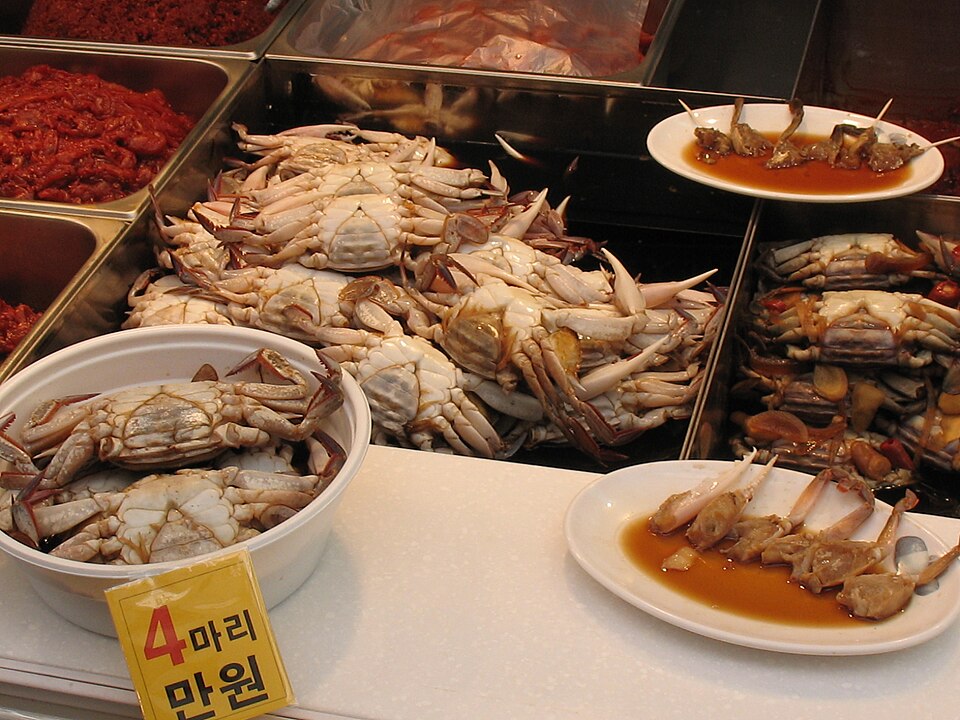
In the vibrant tapestry of Korean cuisine, some dishes stand out for their bold flavors and unique preparation. Among these, Ganjang Gejang, or Soy Sauce Marinated Crab, holds a special, revered place. Often dubbed “bap-doduk” (밥도둑), meaning “rice thief,” because of how irresistibly it makes you devour bowls of warm rice, this delicacy offers an unforgettable culinary experience that encapsulates the depth and artistry of Korean cooking.
The tradition of marinating seafood in soy sauce has ancient roots in Korea, born out of a need to preserve perishable catches from the abundant coastline. Long before refrigeration, various forms of jeotgal (fermented seafood) and soy sauce marinades were ingenious methods for extending the shelf life of ingredients while enhancing their flavor. Ganjang Gejang, specifically, utilizes the intense savory qualities of soy sauce to transform fresh raw crabs into a luxurious, tender dish. It’s a testament to Korean ingenuity, turning a simple preservation technique into a celebrated culinary art form enjoyed for centuries, particularly in coastal regions where fresh crabs were plentiful.
What makes Ganjang Gejang so captivating is its exquisite flavor profile and unique texture. Imagine the delicate, sweet, translucent flesh of raw crab, infused with a complex, savory-sweet, umami-rich marinade. The soy sauce base is typically balanced with aromatics like garlic, ginger, green onions, and sometimes a hint of dried chili and fruit like apple or pear for natural sweetness. This creates a deeply flavorful brine that seeps into every fiber of the crab meat and roe, transforming it into a gelatinous, melt-in-your-mouth delight. There’s a distinct briny freshness, a subtle sweetness from the crab itself, and a profound savory depth from the marinade that lingers on the palate, making each bite utterly addictive.
Beyond its incredible taste, Ganjang Gejang offers several nutritional benefits. Crab meat is an excellent source of lean protein, essential for muscle repair and growth, and is packed with vital minerals such as zinc, selenium, and copper, which support immune function and antioxidant defense. While the crab itself isn’t fermented in a probiotic sense, the marinade often includes naturally fermented soy sauce, which contributes to the dish’s rich umami and can aid in digestion due to its breakdown of proteins. The fresh aromatics like garlic and ginger are renowned for their anti-inflammatory and antioxidant properties, adding a healthful punch to this indulgent dish.
- Recreate Ganjang Gejang at Home:**
Making Ganjang Gejang at home requires patience and the freshest possible ingredients, but the result is incredibly rewarding.
- Ingredients:**
- 3-4 fresh blue crabs (approx. 1.5-2 lbs), preferably live or very fresh frozen
- For the Marinade:
- 2 cups Korean soy sauce (Ganjang)
- 2 cups water
- ½ cup mirin (sweet rice wine)
- ¼ cup sugar (or Korean corn syrup/oligodang)
- 1 whole head garlic, cloves peeled and lightly smashed
- 1 large piece ginger (about 2-3 inches), sliced
- ½ medium onion, roughly sliced
- 2-3 stalks green onions, white parts roughly chopped
- 2-3 dried red chili peppers (optional, for subtle warmth)
- 1-2 pieces dried kelp (dashima, approx. 3×3 inches)
- For Garnish (optional):
- 1 tbsp toasted sesame seeds
- 1 stalk green onion, thinly sliced
- ½ red chili, thinly sliced
- Instructions:**
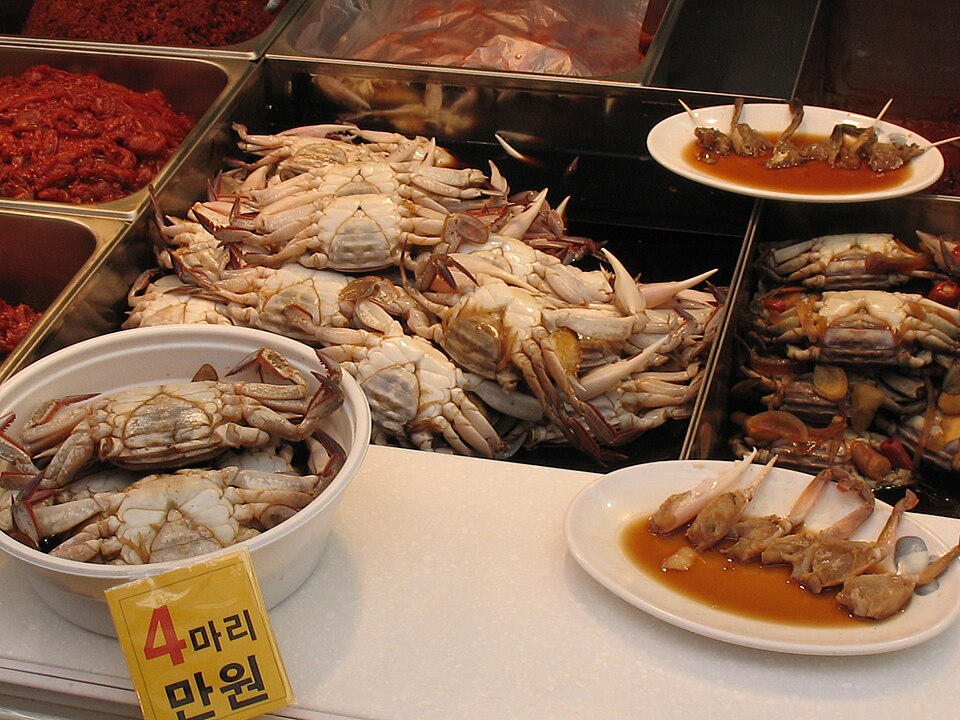
1. Prepare the Crabs: If using live crabs, quickly rinse and scrub them thoroughly under cold running water using a brush to remove any impurities. If using frozen crabs, thaw them completely in the refrigerator, then clean them the same way. Pay close attention to the gills and underside. Ensure all water drains from the crabs.
2. Make the Marinade: In a large pot, combine soy sauce, water, mirin, sugar, garlic, ginger, onion, green onion whites, dried chili peppers (if using), and dried kelp. Bring the mixture to a boil over medium-high heat.
3. Simmer and Cool: Once boiling, reduce heat to low and simmer for 10-15 minutes to allow the flavors to meld. Remove from heat, take out the dried kelp, and let the marinade cool completely to room temperature. This step is crucial to prevent the crabs from cooking.
4. Arrange Crabs: In a clean, airtight glass or ceramic container, carefully arrange the cleaned crabs, belly-side up. This helps the marinade penetrate the roe and internal organs.
5. Marinate: Once the marinade is fully cooled, pour it over the arranged crabs, ensuring they are fully submerged. If they aren’t completely submerged, you can place a clean plate on top to weigh them down.
6. Refrigerate: Seal the container and refrigerate for at least 2-3 days. For best flavor development, 3-4 days is ideal.
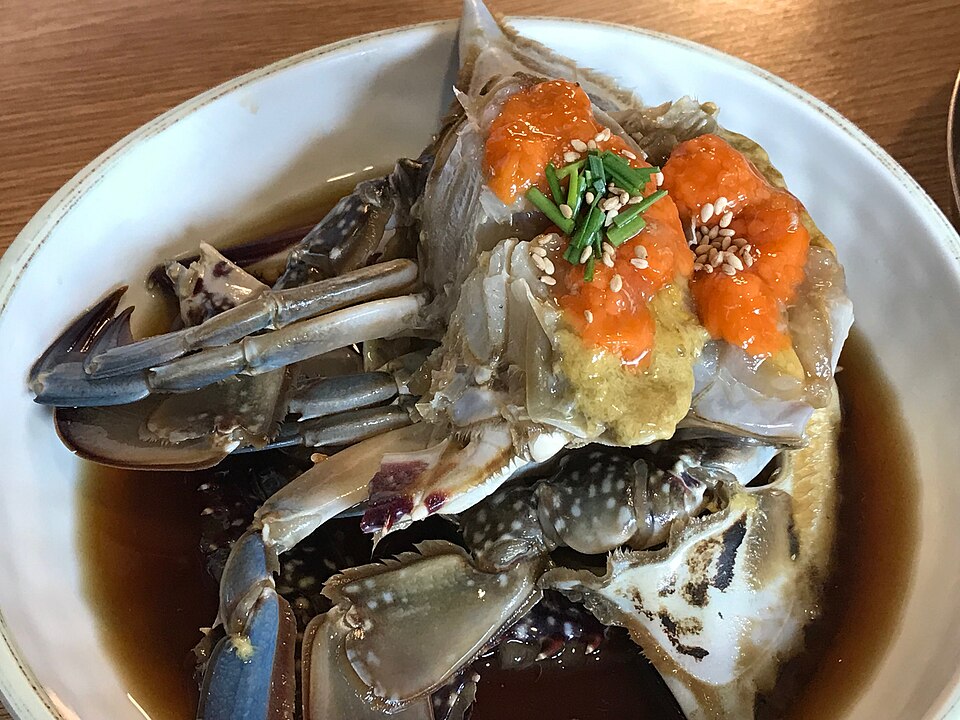
7. Serve: To serve, remove the crabs from the marinade. Optionally, cut each crab into halves or quarters for easier eating. Arrange on a plate and garnish with toasted sesame seeds, fresh sliced green onions, and thinly sliced red chili. Serve immediately with warm rice.
Tips & Variations
- If blue crabs are unavailable, you can substitute with other types of small, meaty crabs like rock crab or even snow crab legs (though the preparation will differ slightly for legs).
- For a deeper umami, you can add a tablespoon of fish sauce to the marinade along with the soy sauce.
Storage
Store Ganjang Gejang in its marinade in an airtight container in the refrigerator for up to 3-4 days for optimal freshness.
FAQ
Q: Can I reuse the marinade?
A: Yes, after the first batch of crabs is eaten, you can re-boil the marinade for 5-10 minutes, cool it completely, and use it for a fresh batch of crabs.
Q: Is it safe to eat raw crab?
A: It is safe if using extremely fresh, high-quality crabs and strictly following hygiene practices. Always source crabs from a reputable supplier.
Feature: K-Food Spotlight – Ganjang Gejang (Soy Sauce Marinated Crab)