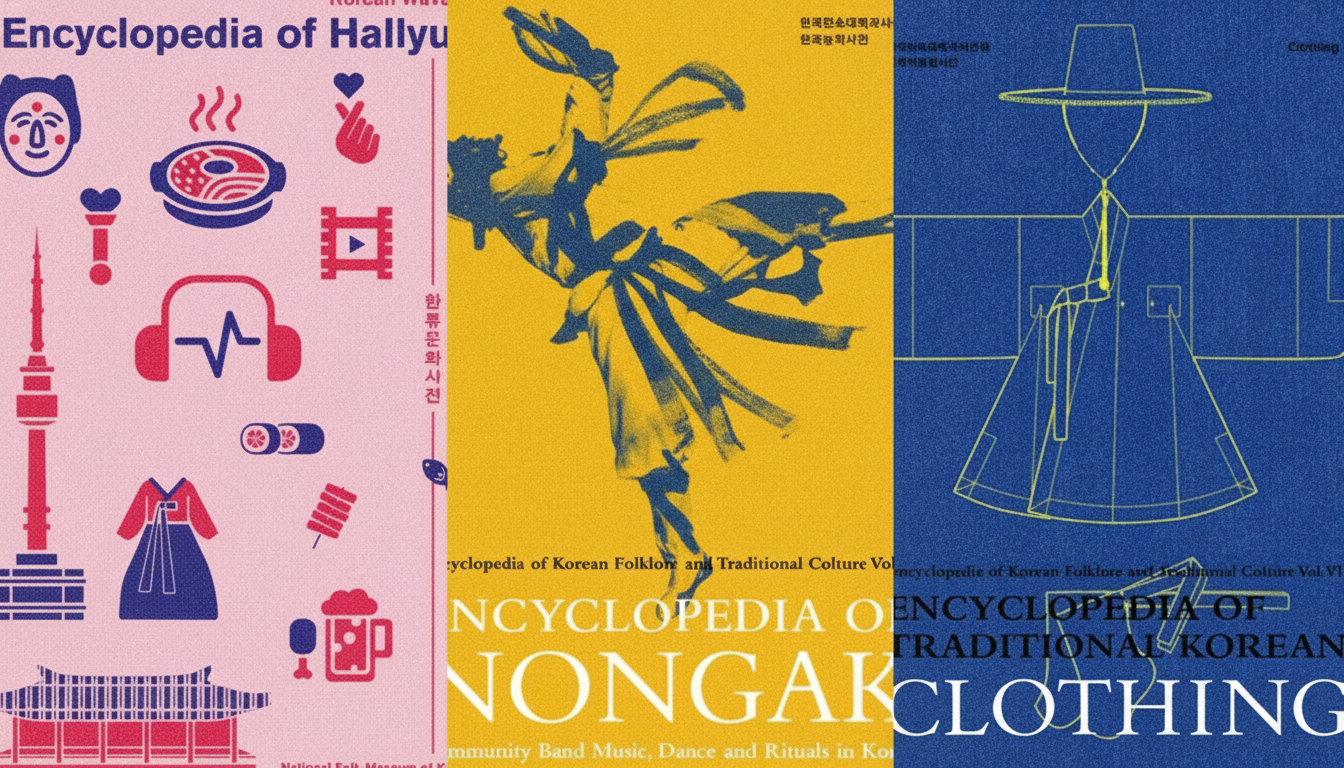
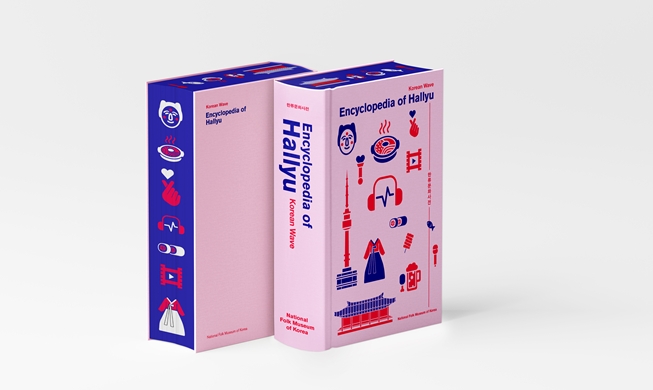
The “Korean Wave,” or Hallyu, has swept across the globe, bringing with it the infectious beats of K-pop, the captivating narratives of K-dramas, and the delicious flavors of Korean cuisine. For many, this vibrant pop culture serves as an exciting entry point into a fascinating new world. But what happens when the latest idol comeback or drama finale leaves you wanting more? It turns out, a significant number of global fans are now digging much deeper, venturing into the rich tapestry of Korea’s traditional folk culture, and they’re doing it online.
A recent report highlights a fascinating trend: over 30% of the users accessing a key Korean folk culture encyclopedia are from outside Korea. This isn’t just a casual glance; it points to a serious and growing international curiosity about the foundational elements that shape modern Korean identity. For K-pop stans and K-drama aficionados, this news underscores how Hallyu is evolving. It’s no longer just about consuming popular entertainment; it’s about understanding the historical, social, and cultural context that informs it.
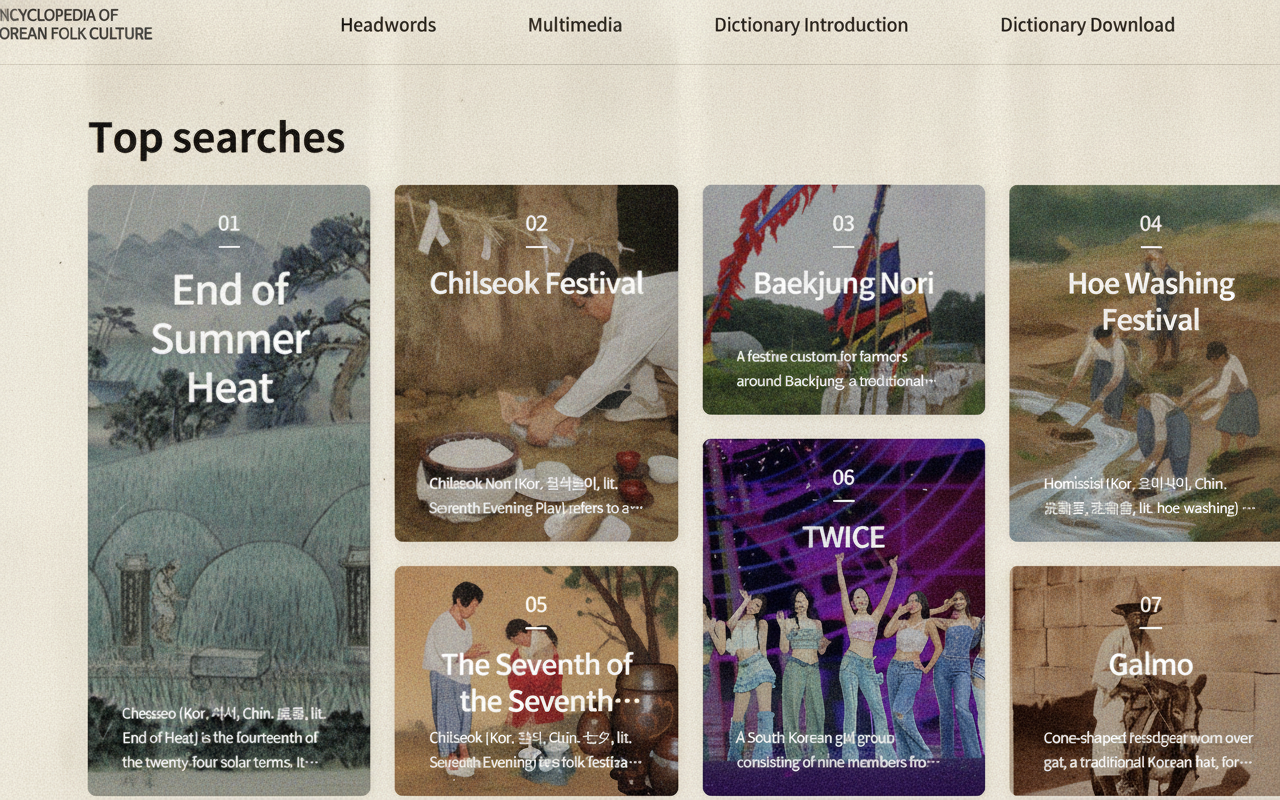
Imagine watching a historical K-drama and wondering about the architecture, the traditional garments like Hanbok, or the intricate rituals depicted. Or perhaps you’ve seen traditional motifs subtly woven into a K-pop music video or noticed idols incorporating elements of traditional dance. This encyclopedia acts as an invaluable digital bridge, offering detailed insights into everything from ancestral rites and local customs to traditional arts, mythology, and the everyday life of past generations. It’s a comprehensive resource, painstakingly compiled to preserve and share Korea’s intangible and tangible cultural heritage.
This impressive international engagement demonstrates a maturing global interest in Korea. It shows that Hallyu has successfully cultivated not just passive consumers, but active learners eager to explore the historical narratives, philosophical underpinnings, and artistic expressions that define a nation. The availability of such extensive resources online, often translated into multiple languages, democratizes access to cultural knowledge, making it possible for someone in London, Lima, or Lahore to research ancient Korean folklore or the symbolism behind traditional Korean masks.
The fact that over three out of ten users are international is a testament to the power of digital platforms in fostering cross-cultural understanding. It suggests that the initial spark ignited by K-pop or K-dramas is leading to a more profound appreciation for Korea’s long and storied past. As Hallyu continues its global expansion, this deepening curiosity promises an even richer, more informed, and truly worldwide community of Korean culture enthusiasts.
Quick Facts
- Over 30% of users accessing a Korean folk culture encyclopedia are from abroad.
- This indicates a significant global interest in traditional Korean heritage.
- Digital platforms are crucial in providing access to in-depth cultural knowledge.
- The “Korean Wave” (Hallyu) is inspiring fans to explore beyond pop culture into historical and cultural contexts.
Source: Korea.net Culture News (https://www.korea.net/NewsFocus/Culture/view?articleId=297457)