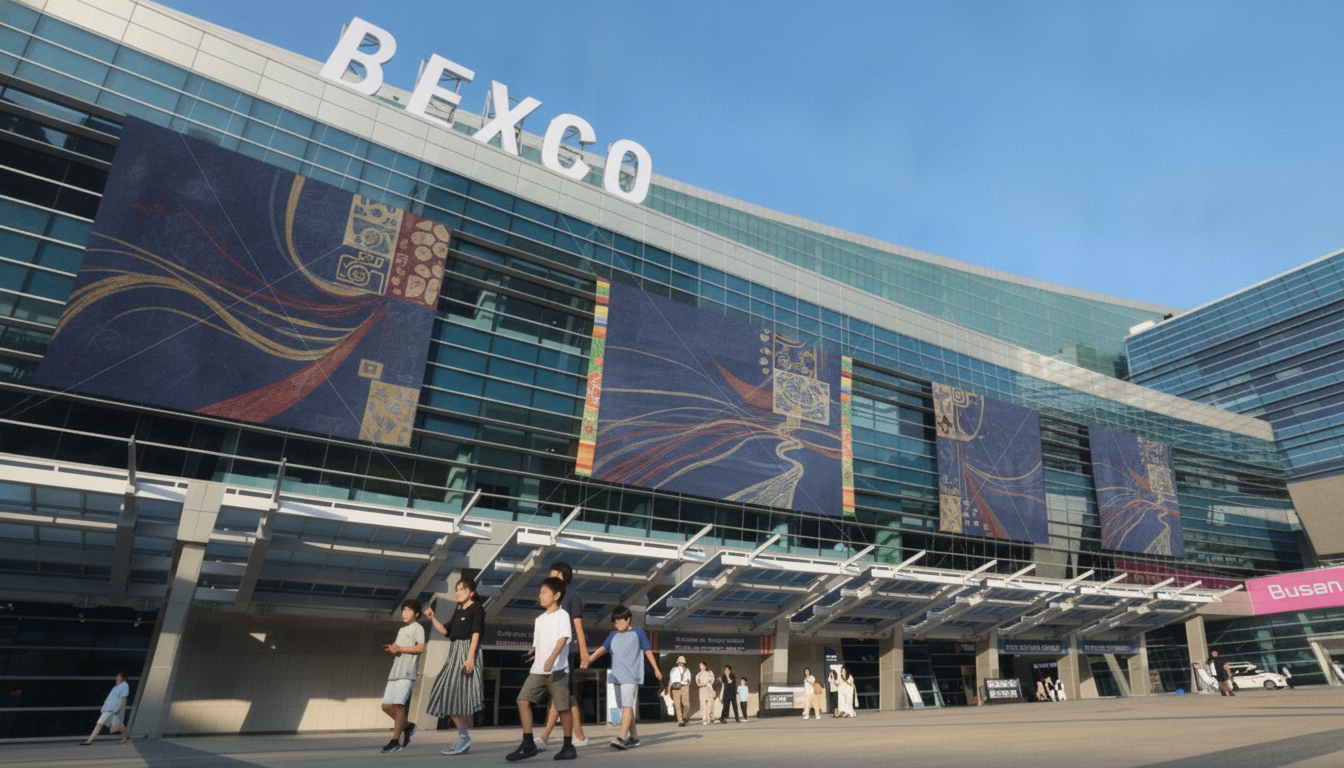
While the world often celebrates South Korea for its dynamic K-pop scene and cutting-edge dramas, there’s a deeper, equally captivating layer to Korean culture that continually impresses on a global scale: its rich heritage. Recently, the vibrant port city of Busan, known for its beautiful beaches, bustling markets, and lively arts scene, played host to a significant World Heritage session, showcasing Korea’s unwavering commitment to preserving its invaluable historical treasures and sharing them with the international community.
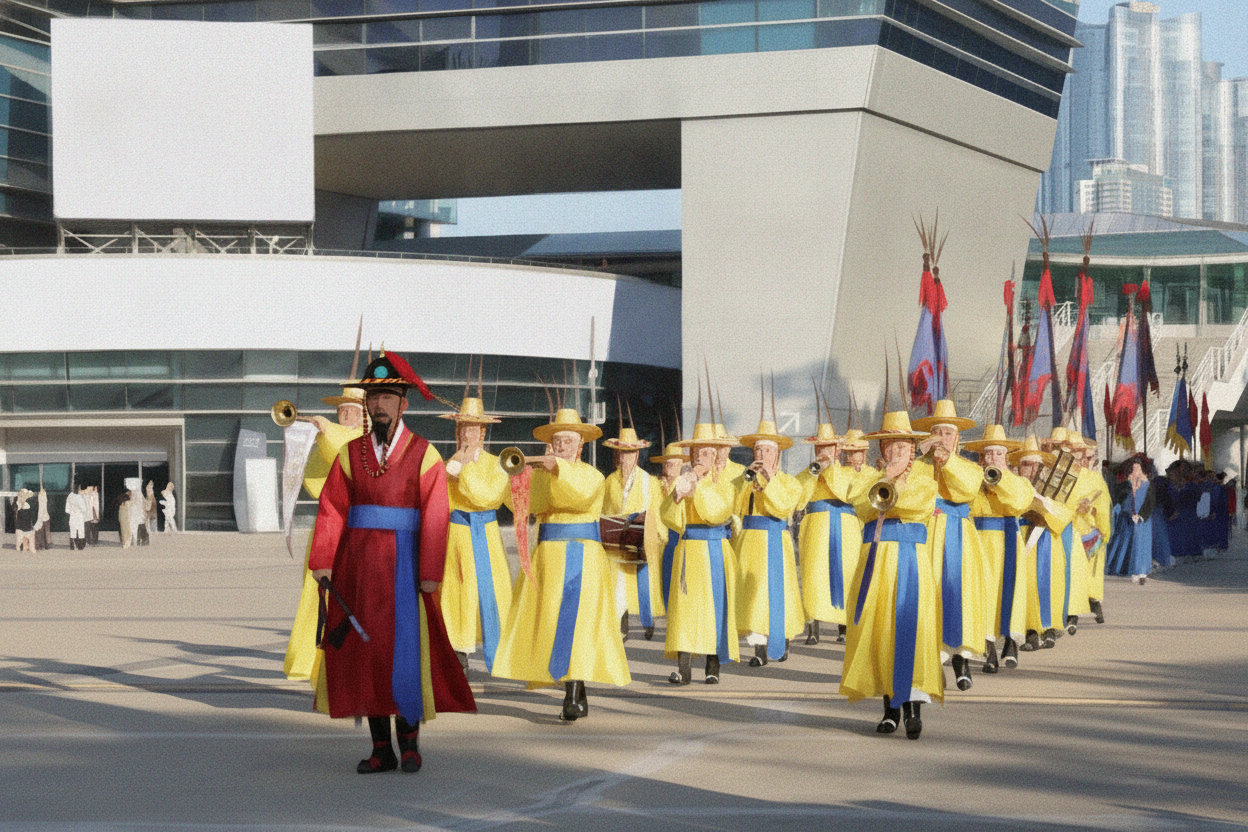
For many global fans, Korea is a modern marvel, but events like this World Heritage session offer a crucial window into the country’s profound past. Imagine delegates from around the world converging in Busan, not just for formal discussions, but to immerse themselves in a series of related events designed to illuminate the essence of Korean heritage. These aren’t just dry academic meetings; they are often vibrant cultural showcases. A “photo essay” of such events would likely reveal a stunning tapestry of traditional Korean performances—perhaps the graceful movements of a fan dance, the intricate rhythms of *samulnori* drumming, or the resonant melodies of *gayageum* music filling modern halls and historic venues alike.
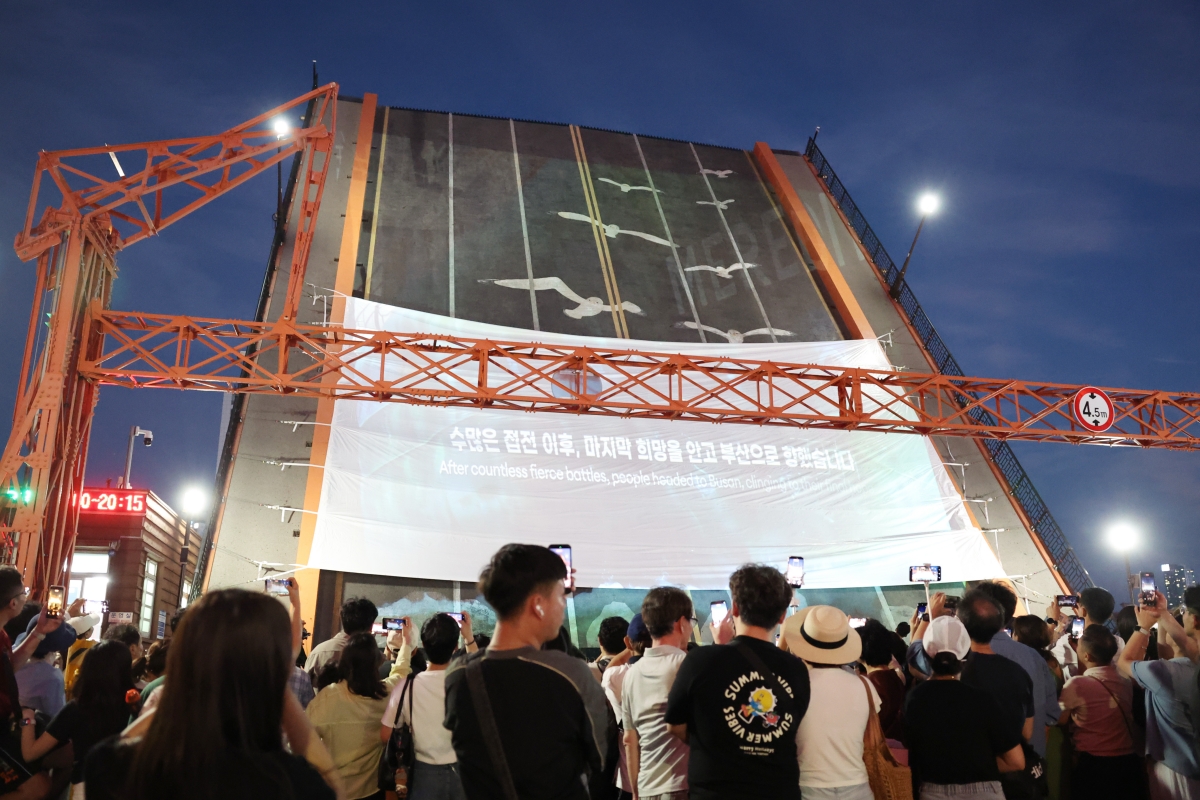
Beyond performances, such sessions typically feature exhibitions that allow visitors to delve into specific aspects of Korean history and craftsmanship. Picture displays of ancient artifacts, intricate *hanbok* designs that blend tradition with contemporary aesthetics, or interactive exhibits on intangible heritage like *pansori* (traditional narrative singing) or *kimjang* (the communal making and sharing of kimchi). These events serve as a powerful reminder that the foundation of today’s K-culture wave—from the visual artistry of music videos to the storytelling in dramas—is deeply rooted in centuries of tradition, artistry, and a unique cultural identity.
Busan, as the host city, adds another layer of charm. Beyond its modern skyscrapers and lively youth culture, Busan boasts temples nestled in mountainsides, historic villages, and a deep connection to Korea’s maritime history. Hosting a World Heritage session in such a dynamic city bridges the past and present, showing how heritage isn’t confined to museums but is a living, breathing part of modern Korean life. It underscores Korea’s role as a proactive guardian of global heritage, actively contributing to the shared human story while also celebrating its unique narrative. For global fans, understanding this dedication enriches their appreciation for every facet of Korean culture, offering a more complete and profound picture of the nation they admire.
Source: Korea.net Culture News (https://www.korea.net/NewsFocus/Culture/view?articleId=296693)