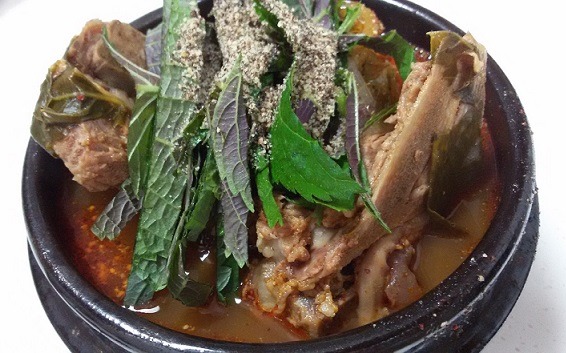
In the vibrant tapestry of Korean cuisine, certain dishes stand out not just for their flavors but for the warmth and comfort they impart. Among them, Gamjatang, or Pork Bone Stew, holds a special place. More than just a meal, it’s a soul-stirring experience, a hearty embrace in a bowl that has captivated palates worldwide.
Tracing its roots, Gamjatang emerged from the bustling marketplaces and humble kitchens of Korea, particularly resonating with laborers who sought an affordable yet incredibly fortifying meal. The name “Gamjatang” literally translates to “potato stew,” but its heart lies in the rich pork backbone (gamja-ppeo, leading to an alternative etymology for the dish’s name) that forms its foundation. It became a beloved dish for its ability to deliver profound satisfaction with readily available ingredients, evolving into the beloved comfort food it is today, enjoyed in bustling restaurants and cozy homes alike.
What makes Gamjatang truly special is its incredible depth of flavor. A complex symphony of savory, spicy, and earthy notes, it begins with a robust, slow-simmered pork broth. The tender, fall-off-the-bone pork is enveloped in a fiery red broth seasoned with gochugaru (Korean chili flakes), the nutty aroma of roasted perilla seed powder (deulkkae-garu), and the deep umami of doenjang (fermented soybean paste). Large chunks of potatoes soak up this incredible liquid, becoming soft and yielding, while napa cabbage and fragrant perilla leaves add layers of freshness and texture. It’s a dish that awakens the senses, delivering a satisfying kick without overwhelming, perfectly balanced by its savory richness.
Beyond its irresistible taste, Gamjatang offers a surprising array of health benefits. The star, pork neck bones, provides a significant source of lean protein, essential for muscle repair and satiety. Slow-cooking extracts collagen from the bones, which may support joint health. The generous inclusion of vegetables like potatoes, napa cabbage, and perilla leaves contributes vital fiber, vitamins (C, K, A), and minerals (potassium). Furthermore, the core seasonings are nutritional powerhouses: gochugaru contains capsaicin, known for its metabolism-boosting and anti-inflammatory properties; doenjang, a fermented soybean paste, introduces beneficial probiotics which support gut health; and perilla seed powder is rich in omega-3 fatty acids. Garlic and ginger, staples in Korean cooking, further bolster the dish with immune-supporting compounds. It’s a hearty meal that truly nourishes from the inside out.
- Gamjatang (Pork Bone Stew) – Home Recipe**
- Ingredients:**
- 2-3 lbs (approx. 1-1.5 kg) pork neck bones
- 8-10 cups water (for broth)
- 2-3 medium potatoes, peeled and quartered
- 4-5 large napa cabbage leaves, roughly chopped
- 1 cup fresh perilla leaves (kkaennip), roughly chopped (optional, or substitute spinach)
- 2-3 green onions, chopped
- Seasoning Paste:**
- 3-4 tbsp Gochugaru (Korean chili flakes), adjust to taste
- 1-2 tbsp Doenjang (Korean fermented soybean paste)
- 3-4 tbsp Deulkkae-garu (roasted perilla seed powder)
- 2-3 tbsp Soy sauce
- 5-6 cloves garlic, minced
- 1-inch piece ginger, grated or minced
- 1 tsp sugar (optional, to balance flavors)
- 2-3 tbsp of the pork broth
- Instructions:**
1. Prepare Pork Bones: Rinse pork neck bones thoroughly under cold water. Place them in a large pot, cover with fresh water, and bring to a boil. Boil for 10-15 minutes to remove impurities. Drain the water, rinse the bones again, and clean the pot.
2. Simmer Broth: Return the rinsed bones to the clean pot. Add 8-10 cups of fresh water. Bring to a boil, then reduce heat to low, cover, and simmer for 1.5-2 hours, or until the meat is tender and easily separates from the bones. Skim off any foam that rises to the surface.
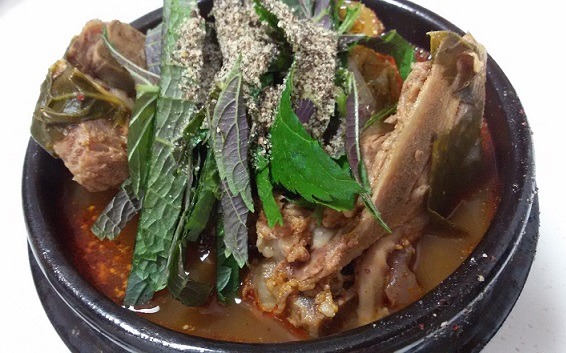
3. Prepare Seasoning: While the bones simmer, combine all Seasoning Paste ingredients in a small bowl. Mix well until a thick paste forms, using a few tablespoons of the hot broth if needed to loosen it.
4. Add Potatoes & Seasoning: Once the pork is tender, add the quartered potatoes and the seasoning paste to the pot. Stir gently to dissolve the paste. Continue simmering for 20-25 minutes, or until the potatoes are tender.
5. Add Cabbage: Stir in the chopped napa cabbage leaves. Cook for another 5-7 minutes, or until the cabbage is tender-crisp.
6. Finish & Serve: Stir in the chopped perilla leaves (if using) and green onions. Cook for just 1-2 minutes more, allowing the fresh greens to wilt slightly. Taste and adjust seasoning if necessary (add more soy sauce for saltiness, gochugaru for spice). Serve hot with steamed rice and kimchi.
Tips & Variations
- For an even deeper flavor, soak the pork bones in cold water for 1-2 hours before the initial boil to draw out more impurities.
- If perilla leaves are hard to find, a handful of fresh spinach or baby kale can be added at the end for a similar leafy green texture, though the unique flavor of perilla will be missed.
Storage
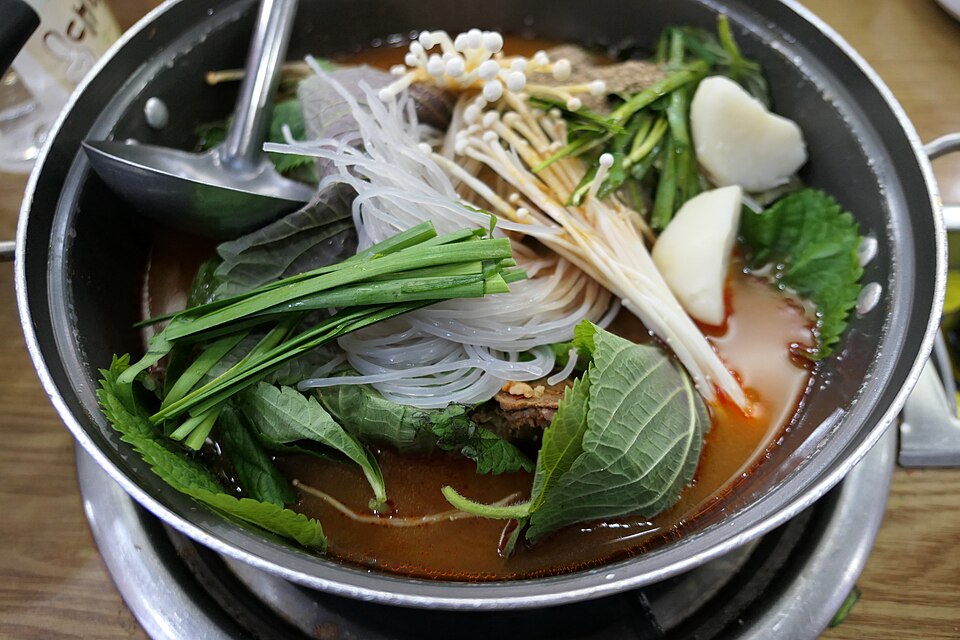
Leftover Gamjatang can be stored in an airtight container in the refrigerator for up to 3-4 days.
FAQ
Q: Can I make Gamjatang less spicy?
A: Absolutely! Simply reduce the amount of gochugaru (Korean chili flakes) in the seasoning paste to your preferred level.
Q: What can I serve with Gamjatang?
A: Gamjatang is traditionally served with a bowl of steamed white rice and various banchan (side dishes) like kimchi and pickled radishes.
Feature: K-Food Spotlight – Gamjatang (Pork Bone Stew)