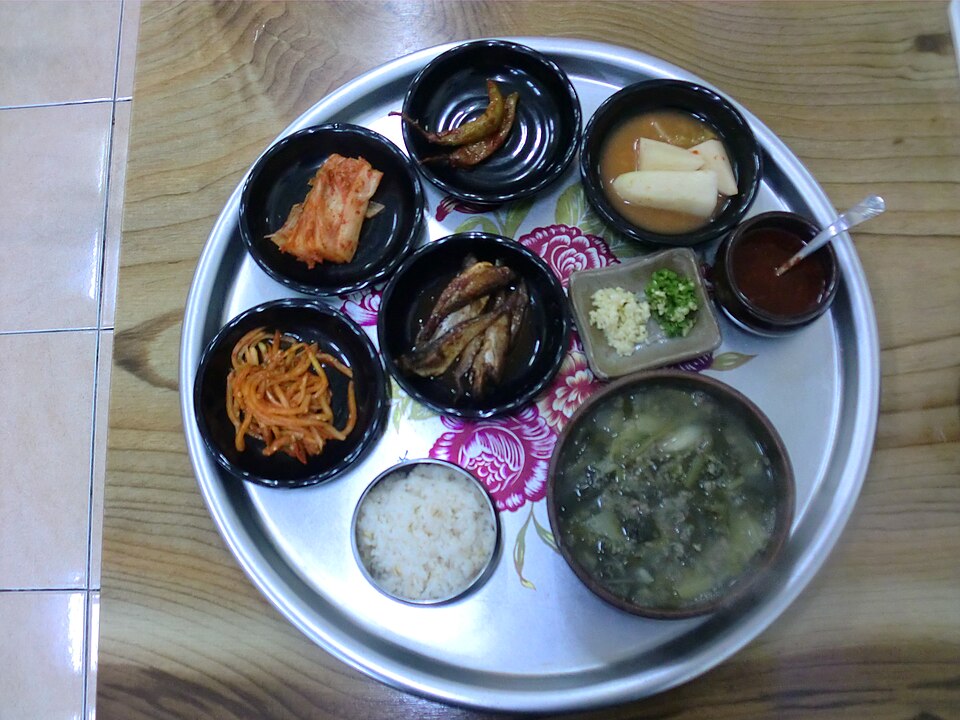
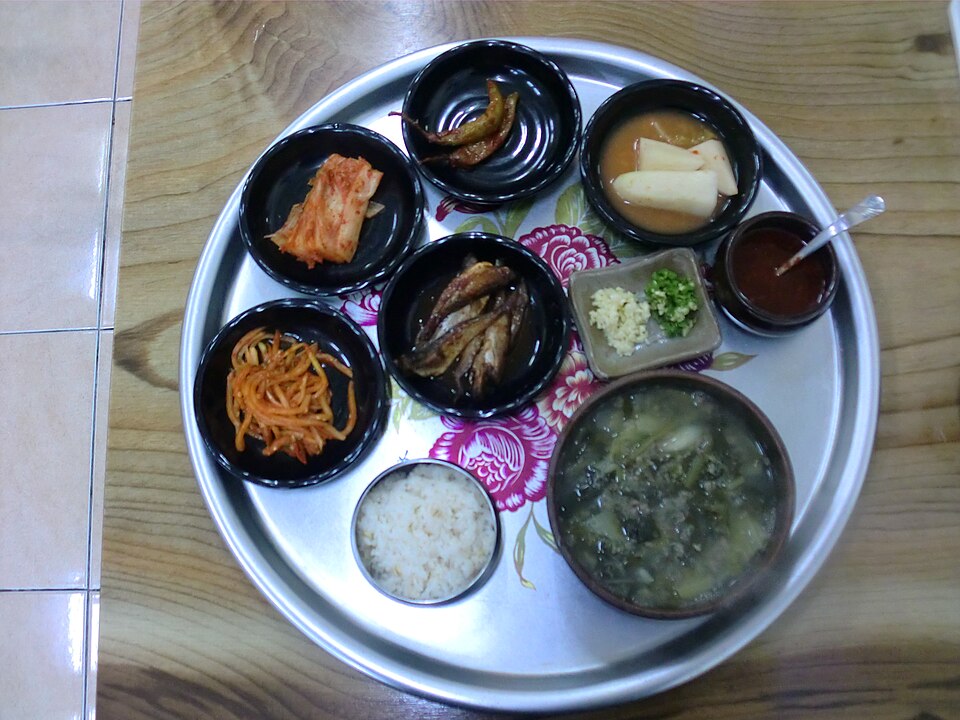
When you think of Korean food, kimchi, bulgogi, and bibimbap often come to mind. But there’s a lesser-known dish embodying deep comfort and restorative power: Chueotang, or Loach Soup. Traditionally enjoyed as summer gives way to autumn, it’s a centuries-old tradition, cherished by farmers to replenish energy after strenuous seasons. Its humble origins, featuring loaches from rice paddies, speak to Korea’s deep connection with nature and resourcefulness.
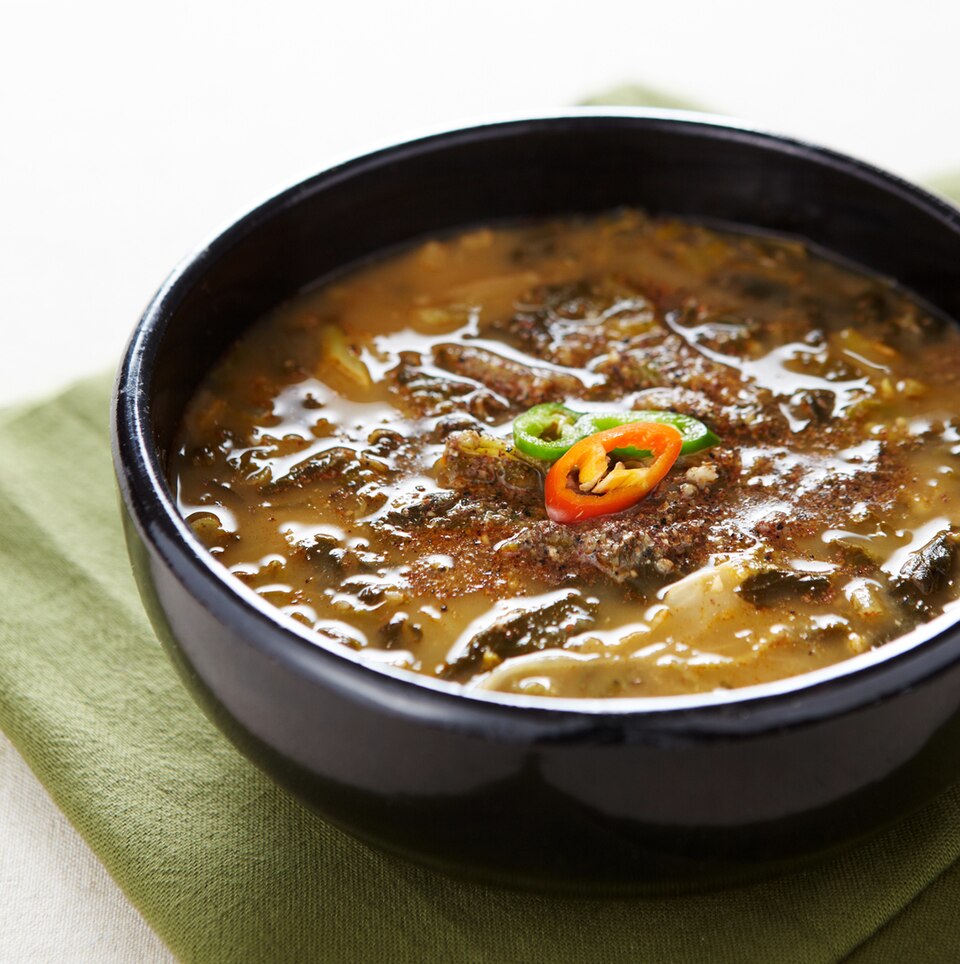
The idea of ‘loach soup’ might surprise some, but Chueotang showcases how Korean techniques elevate humble ingredients. Loaches are boiled until tender, then puréed or sieved to create a rich, earthy, and clean broth. This deep umami base is simmered with robust vegetables like napa cabbage, taro stems, and bean sprouts, harmonized by nutty perilla seed powder, pungent soybean paste, and a kick of garlic and ginger. The result is a savory, hearty, and deeply satisfying soup, often subtly spicy from gochugaru, warming you from the inside out with lasting savory goodness.
Beyond its comforting flavor, Chueotang is a nutritional powerhouse, a ‘well-being in a bowl.’ Loach provides high-quality protein, essential amino acids, and vital minerals like calcium and iron for bone health and energy. Vegetables (napa cabbage, taro stems, bean sprouts) offer dietary fiber, vitamins, and antioxidants, aiding digestion and immunity. Garlic and ginger provide anti-inflammatory benefits, while perilla seed powder adds beneficial omega-3 fatty acids. This holistic combination makes Chueotang a truly revitalizing meal, perfect for bolstering strength and vitality.
Ready to experience the comforting embrace of Chueotang yourself? While fresh loaches are traditional, cleaned or frozen options are widely available. Here’s how to recreate this nourishing dish.
**Homemade Chueotang Recipe**
**Ingredients:**
* **For the Loach Broth:**
* 500g cleaned loaches (fresh or frozen)
* 10 cups water
* 2-3 pieces dried kelp (dashima, approx. 5×5 cm each)
* 2-3 slices fresh ginger
* **For the Soup Base:**
* 300g napa cabbage, blanched and chopped
* 150g taro stems (or dried fernbrake, rehydrated), blanched and chopped
* 1 cup bean sprouts
* 4-5 cloves garlic, minced
* 1-inch piece ginger, minced
* 3 tbsp doenjang (Korean soybean paste)
* 1-2 tbsp gochujang (Korean chili paste, adjust to taste)
* 2 tbsp gochugaru (Korean chili powder, adjust to taste)
* 3 tbsp deulkkae garu (roasted perilla seed powder)
* 1 tbsp soy sauce (for seasoning)
* Salt and black pepper to taste
* 1 tbsp cooking oil (e.g., sesame oil or vegetable oil)
* **For Garnish (Optional):**
* 2 green onions, chopped
* 1-2 fresh red or green chili peppers (e.g., Cheongyang gochu), sliced
* Fresh perilla leaves (kkaennip), julienned
**Instructions:**
1. **Prepare the Loaches:** In a large pot, combine cleaned loaches, water, kelp, and ginger slices. Bring to a boil, then reduce heat and simmer for 40-60 minutes, until the loaches are very tender. Discard kelp and ginger.
2. **Process the Loaches:** Carefully remove cooked loaches from the broth. Push them through a fine-mesh sieve to separate flesh from tiny bones and skin. Discard bones/skin. Return the puréed loach meat to the broth. Strain the broth if desired for a smoother texture.
3. **Prepare Vegetables:** Blanch napa cabbage and taro stems in boiling water for 2-3 minutes until tender. Drain and squeeze out excess water. Chop into bite-sized pieces (approx. 2 inches).
4. **Make Seasoning Paste:** In a bowl, combine minced garlic, minced ginger, doenjang, gochujang, gochugaru, deulkkae garu, and soy sauce. Mix to form a paste.
5. **Sauté & Simmer:** Heat 1 tbsp cooking oil in a large pot. Add the blanched napa cabbage and taro stems along with the seasoning paste. Sauté for 3-5 minutes, allowing flavors to meld.
6. **Combine & Cook:** Pour the prepared loach broth (with the puréed loach meat) into the pot with the seasoned vegetables. Bring to a boil, then reduce heat to medium-low and simmer for 20-30 minutes, allowing flavors to meld.
7. **Add Remaining Vegetables & Finish:** Add the bean sprouts and simmer for another 5-10 minutes until tender-crisp. Taste and adjust seasoning with salt, pepper, or more soy sauce if needed.
8. **Serve:** Ladle the hot Chueotang into bowls. Garnish with chopped green onions, sliced chili peppers, and julienned perilla leaves if desired. Serve immediately with steamed rice and kimchi.
Feature: K-Food Spotlight – Chueotang (Loach Soup)