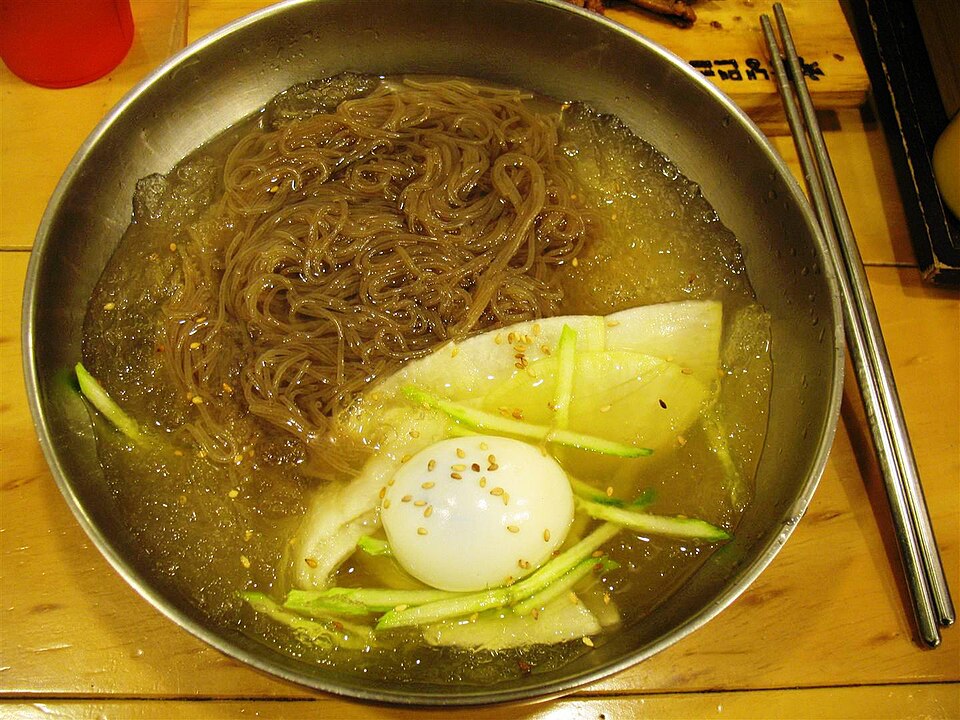
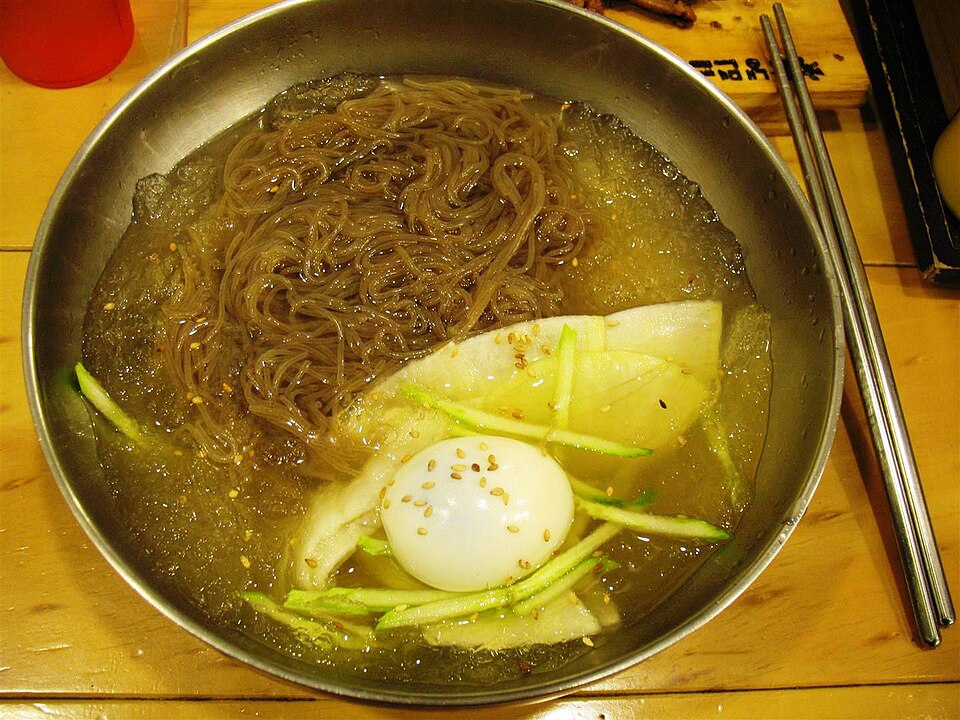
When the Korean sun beats down, or even after a hearty K-BBQ feast, there’s one dish that reigns supreme for its icy, invigorating kick: Naengmyeon, or Cold Buckwheat Noodles. While many associate Korean cuisine with fiery stews and grilled meats, Naengmyeon offers a surprising and utterly delightful counterpoint, a truly unique culinary experience that has captivated palates for centuries.
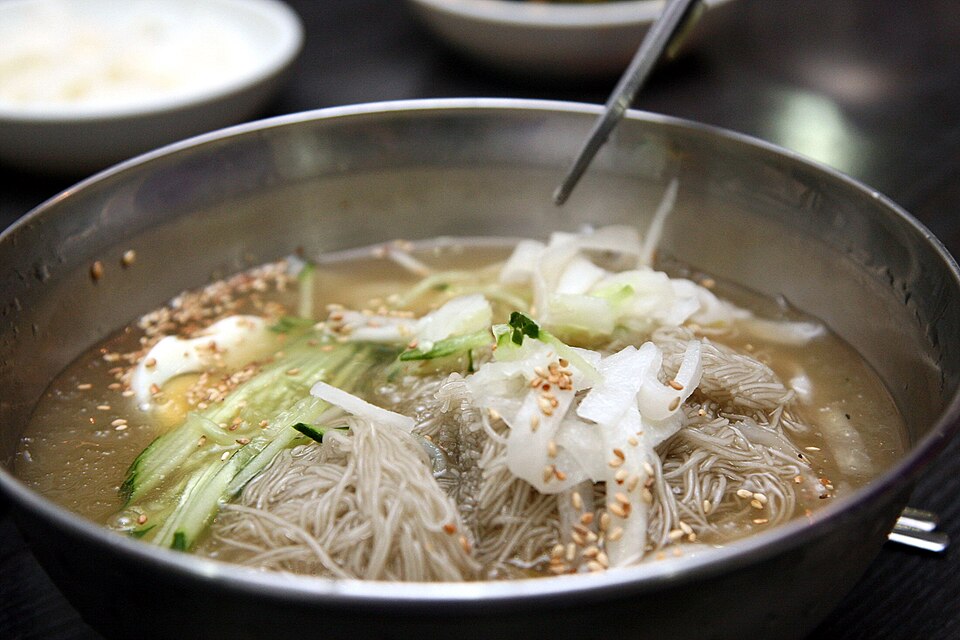
Originating in the northern parts of Korea, particularly Pyongyang and Hamhung, Naengmyeon was historically a winter delicacy. Served hot in homes warmed by *ondol* floor heating, it offered a playful contrast to the biting cold outside. However, as the dish migrated south and culinary preferences evolved, it transformed into the beloved year-round, especially summer, staple it is today. There are two main styles: *Mul-Naengmyeon*, featuring thin, chewy buckwheat noodles in a tangy, icy beef or *dongchimi* (radish kimchi) broth, and *Bibim-Naengmyeon*, where the noodles are tossed in a spicy, sweet, and sour gochujang-based sauce with less broth. Both offer a symphony of textures and tastes, but it’s the extreme chill that truly sets them apart.
What makes Naengmyeon so special is its exquisite balance. The broth, served with actual ice shards, delivers a powerful jolt of savory umami, tempered by a subtle sweetness and a sharp tang from vinegar and mustard, creating an incredibly refreshing and palate-cleansing effect. The noodles themselves, made primarily from buckwheat flour with a chewy, almost springy texture, are a delightful contrast to the crispness of the accompanying vegetables and the richness of the meat. Each bite is a multi-layered sensation – cool, chewy, crunchy, and bursting with complex flavors that leave you feeling revitalized.
Beyond its captivating taste, Naengmyeon offers several nutritional benefits. Buckwheat noodles are a good source of complex carbohydrates and dietary fiber, promoting digestive health and providing sustained energy. The abundance of fresh vegetables like cucumber and Korean pear (or apple) adds essential vitamins, minerals, and further fiber, contributing to hydration and overall well-being. When topped with lean beef slices and a hard-boiled egg, the dish provides a good source of protein, essential for muscle repair and satiety. Furthermore, the vinegar often used in the broth not only brightens the flavor but can also aid in digestion.
Craving this refreshing dish? Here’s how you can recreate a delicious Mul-Naengmyeon at home:
**Homemade Mul-Naengmyeon (Cold Buckwheat Noodles)**
**Yields:** 2 servings
**Prep time:** 20 minutes (plus chilling time for broth)
**Cook time:** 5-7 minutes
**Ingredients:**
* **For the Broth:**
* 2 cups cold clear beef broth (low-sodium preferred)
* 1 cup cold water
* 3-4 tablespoons rice vinegar (adjust to taste)
* 1-2 teaspoons granulated sugar (adjust to taste)
* 1 tablespoon soy sauce
* Optional: 1/2 teaspoon Korean mustard powder or a squeeze of prepared mustard
* Optional: Pinch of salt
* **For the Noodles & Toppings:**
* 200g (approx. 7 oz) dried Korean buckwheat noodles (Naengmyeon noodles)
* 1/2 English cucumber, julienned
* 1/4 Korean pear or a small apple, thinly sliced
* 1 hard-boiled egg, halved
* Optional: 50g (approx. 1.8 oz) thinly sliced cooked beef (e.g., roast beef, brisket)
* Optional: Quickly pickled radish slices (combine 1/4 cup thinly sliced radish with 1 tbsp rice vinegar, 1 tsp sugar, pinch of salt; let sit 10 mins)
* Optional: Toasted sesame seeds for garnish
**Instructions:**
1. **Prepare the Broth:** In a large bowl, whisk together the cold beef broth, cold water, rice vinegar, sugar, soy sauce, and optional mustard powder/prepared mustard and salt. Taste and adjust seasonings to your preference – it should be tangy, slightly sweet, and savory. Cover and refrigerate for at least 2 hours, or until thoroughly chilled. For an extra icy experience, freeze the broth for 30-40 minutes until ice crystals start to form, or add a few ice cubes when serving.
2. **Prepare Toppings:** While the broth chills, prepare your toppings. Julienne the cucumber, thinly slice the pear/apple, and halve the hard-boiled egg. If using, slice your cooked beef thinly. Prepare quick-pickled radish if desired.
3. **Cook the Noodles:** Bring a large pot of water to a rolling boil. Add the dried buckwheat noodles and cook according to package instructions (usually 3-5 minutes). These noodles can cook quickly.
4. **Rinse and Chill Noodles:** Immediately after cooking, drain the noodles into a colander. Rinse them thoroughly under very cold running water, rubbing gently to remove excess starch, until the noodles are completely cold. This step is crucial for achieving their signature chewy texture and cooling effect.
5. **Assemble Your Naengmyeon:** Divide the chilled noodles evenly into two large serving bowls. Pour the extremely cold broth over the noodles, ensuring they are submerged.
6. **Arrange Toppings:** Artfully arrange the cucumber, pear/apple, hard-boiled egg, optional beef, and pickled radish on top of the noodles. Garnish with toasted sesame seeds if desired.
7. **Serve Immediately:** Serve your Naengmyeon immediately with extra rice vinegar and Korean mustard on the side for guests to adjust to their liking.
Feature: K-Food Spotlight – Naengmyeon (Cold Buckwheat Noodles)