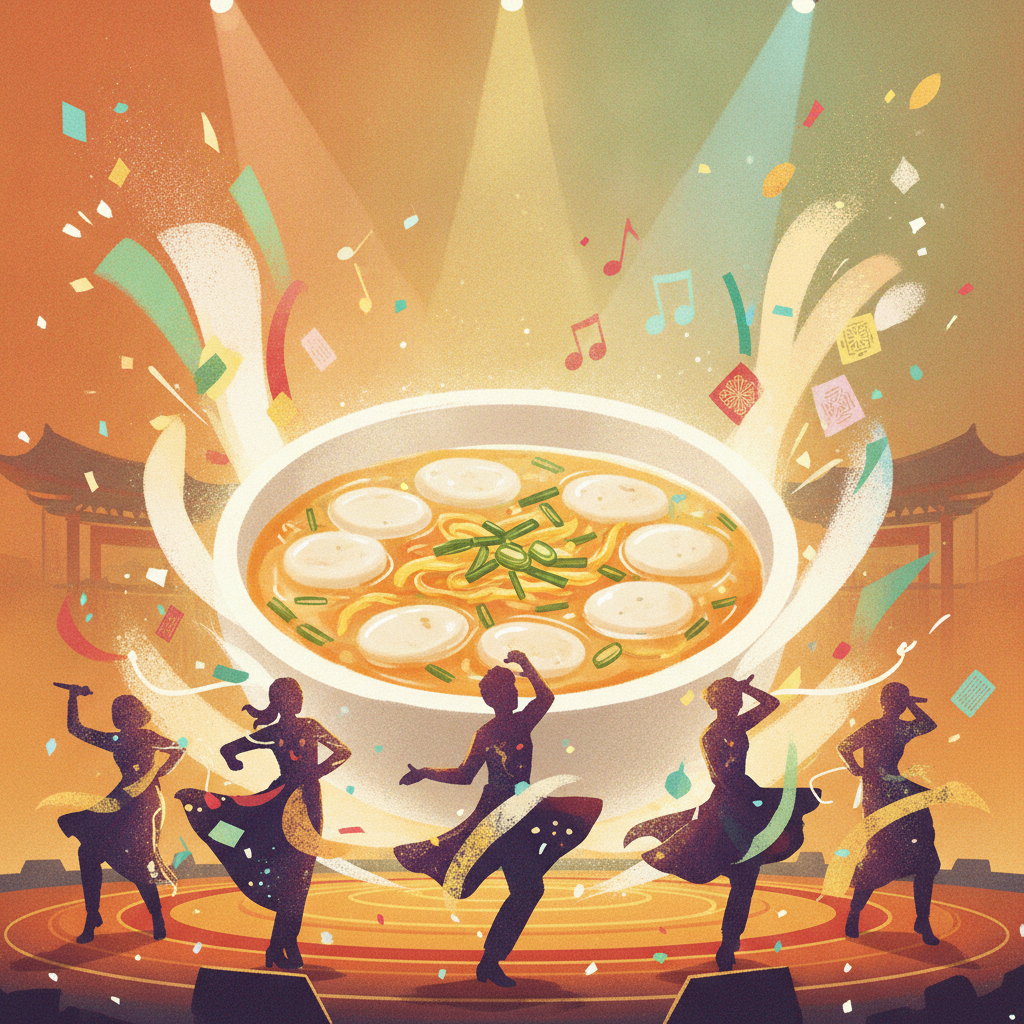
As the calendar turns, ushering in new beginnings, many cultures embrace special dishes to mark the occasion. In Korea, that dish is unequivocally Tteok-guk, or New Year Rice Cake Soup. More than just a meal, it’s a heartwarming ritual, a symbol of hope, prosperity, and adding another year to one’s life.
Historically, Tteok-guk has been a staple of Seollal, the Lunar New Year. Its origins are steeped in tradition: the pristine white rice cakes (tteok) signify purity and a fresh start, while their oval, coin-like slices are said to represent wealth and good fortune for the coming year. Eating a bowl of Tteok-guk on Seollal is traditionally believed to make you a year older, making it a delightful and delicious way to “age up” with family.
The allure of Tteok-guk lies in its elegant simplicity and profound comfort. At its heart is a clear, savory broth, often made from beef or anchovy and kelp, delivering a rich umami depth without being heavy. The star, of course, is the garaetteok – chewy, soft rice cakes that absorb the broth’s flavor beautifully. This gentle foundation is elevated by delicate garnishes: paper-thin slices of savory egg yolk and white (jidan), vibrant green scallions, and often crisp strips of toasted seaweed (gim). The overall flavor profile is mild, savory, and incredibly soothing, offering a clean, satisfying taste that warms both body and soul.
Beyond its cultural significance and delicious taste, Tteok-guk offers genuine nutritional benefits. The broth, especially if beef-based, provides a good source of protein, essential for muscle maintenance and satiety. The eggs used for garnish add further high-quality protein, along with vitamins like D and B12. Rice cakes provide complex carbohydrates, offering sustained energy. When garnished with fresh scallions and nutrient-rich seaweed (gim), the dish incorporates vitamins, minerals (like iodine from the seaweed), and a touch of fiber. It’s a balanced, nourishing meal that embodies comforting goodness.
Ready to bring this tradition into your home kitchen? Here’s how to make a classic beef Tteok-guk:
- Tteok-guk (New Year Rice Cake Soup) Recipe**
- Ingredients:**
- For the Broth:
- 250g beef brisket or sirloin (or any stewing beef)
- 8 cups (2 liters) water
- 4-5 cloves garlic, smashed
- 1 small piece (approx. 5x5cm) dashima (dried kelp)
- 1/2 white onion, roughly chopped
- 1/4 Korean radish (moo), optional
- For the Soup:
- 400g sliced garaetteok (oval rice cakes), soaked in cold water for 30 minutes
- 1-2 tbsp Korean soy sauce (guk-ganjang or light soy sauce)
- Salt and white pepper to taste
- For the Garnish (Gomyeong):
- 2 large eggs
- 2 green onions (scallions), green parts thinly sliced
- 2 sheets toasted seaweed (gim), shredded or cut into strips
- 1 tsp sesame oil (optional, for serving)
- Cooking Steps:**
1. Prepare the Broth: In a large pot, combine the beef, water, smashed garlic, dashima, onion, and Korean radish (if using). Bring to a boil, then reduce heat to low, skim off any foam, and simmer gently for 1-1.5 hours, or until the beef is tender.
2. Strain and Season Broth: Remove beef, kelp, and vegetables from the broth. Discard the kelp and vegetables. Let the beef cool slightly, then thinly slice or shred it. Season the clear broth with Korean soy sauce, salt, and white pepper to your preference. Keep warm.
3. Prepare Garnish (Jidan): Separate egg yolks and whites into two bowls. Beat each lightly with a pinch of salt. Lightly oil a non-stick pan and heat over low-medium heat. Pour a thin layer of egg yolk, tilting to spread evenly. Cook until set (about 1 minute), flip briefly, then remove. Repeat with egg white. Stack the cooked egg sheets and slice them into thin strips.
4. Cook Rice Cakes: Bring the seasoned broth back to a gentle boil. Add the soaked rice cakes and the sliced beef to the pot. Cook for 3-5 minutes, stirring occasionally, until the rice cakes float to the top and are soft and chewy.
5. Serve: Ladle the hot Tteok-guk into individual bowls. Garnish generously with the prepared egg strips, sliced green onions, and shredded seaweed. Drizzle with a tiny amount of sesame oil if desired, and serve immediately.
- Tips & Variations:**
- For a lighter, vegetarian-friendly broth, omit beef and simmer dashima, dried shiitake mushrooms, and radish in water for 20-30 minutes.
- To add a delightful texture and extra flavor, consider adding a few frozen mandu (Korean dumplings) along with the rice cakes.
- Storage:**
Tteok-guk is best enjoyed fresh. Leftovers can be stored in an airtight container in the refrigerator for up to 2-3 days, but the rice cakes may soften considerably.
- FAQ:**
Q: Can I skip soaking the rice cakes?
A: Soaking helps prevent the rice cakes from clumping together and ensures they cook evenly and become perfectly tender.
Q: What if I can’t find Korean soy sauce (guk-ganjang)?
A: A light soy sauce can be used as a substitute, but use sparingly and adjust salt as regular soy sauce is saltier.
Feature: K-Food Spotlight – Tteok-guk (New Year Rice Cake Soup)