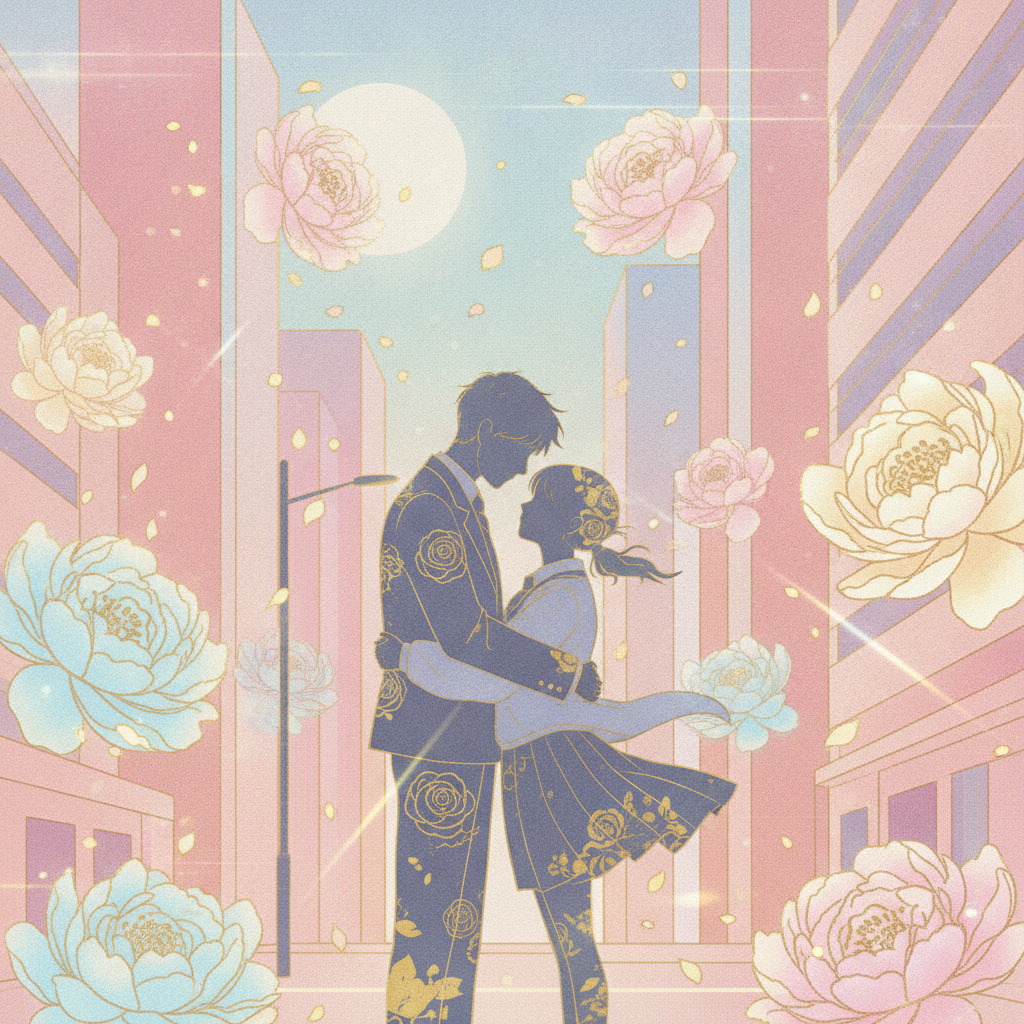
More than a decade after its premiere, the drama Boys Over Flowers remains an indelible part of the Hallyu narrative. Based on the beloved Japanese manga Hana Yori Dango, this 2009 South Korean adaptation catapulted its cast into global stardom and became a pivotal force in spreading K-drama fever across the world.
The series introduces Geum Jan-di, a determined but ordinary girl from a humble background who accidentally saves a student at the elite Shinhwa High School. Her act of heroism earns her a scholarship to the prestigious institution, a world away from her own. There, she clashes with the infamous F4 – four impossibly wealthy, charismatic, and powerful young men who rule the school. Their leader, the arrogant Gu Jun-pyo, initially makes Jan-di’s life a misery, but their constant sparring eventually sparks a complex, unforgettable romance that challenges class boundaries and expectations. The premise, a classic Cinderella story intertwined with the “common girl falls for the rich, bad boy” trope, proved universally appealing.

- Boys Over Flowers* resonated deeply with audiences due to its intoxicating blend of wish fulfillment, intense emotions, and aspirational romance. Viewers were drawn to Jan-di’s resilience and relatability, even as they found themselves captivated by the allure and dramatic lives of the F4. The drama effectively packaged popular K-drama tropes – love triangles, grand gestures, dramatic family interference, and heartfelt friendships – into a highly accessible and entertaining format that transcended cultural barriers.
The series launched the careers of its young ensemble cast, who became overnight sensations. Lee Min-ho, as the tsundere (cold on the outside, warm on the inside) Gu Jun-pyo, became a leading man phenomenon. Ku Hye-sun perfectly embodied the tenacious Geum Jan-di, while Kim Hyun-joong as the gentle Yoon Ji-hoo, Kim Bum as the charming So Yi-jung, and Kim Joon as the steadfast Song Woo-bin solidified the F4’s iconic status.

Its lasting legacy is undeniable. Boys Over Flowers not only solidified the “flower boy” archetype in K-dramas but also served as a crucial gateway drama for countless international fans. It introduced millions to the world of Korean television, paving the way for the broader acceptance and success of subsequent Hallyu productions. The drama proved the global viability of South Korean storytelling and performance, ensuring its place as a cornerstone of the K-drama wave.
Quick Facts
- Boys Over Flowers is a 2009 South Korean drama based on a Japanese manga.
- It stars notable cast members including Lee Min-ho, Ku Hye-sun, and Kim Hyun-joong.
- The series played a pivotal role in spreading the Hallyu wave globally.
- Its premise features a common girl clashing with and falling for a rich, powerful student.
Feature: K-Drama Spotlight – Boys Over Flowers