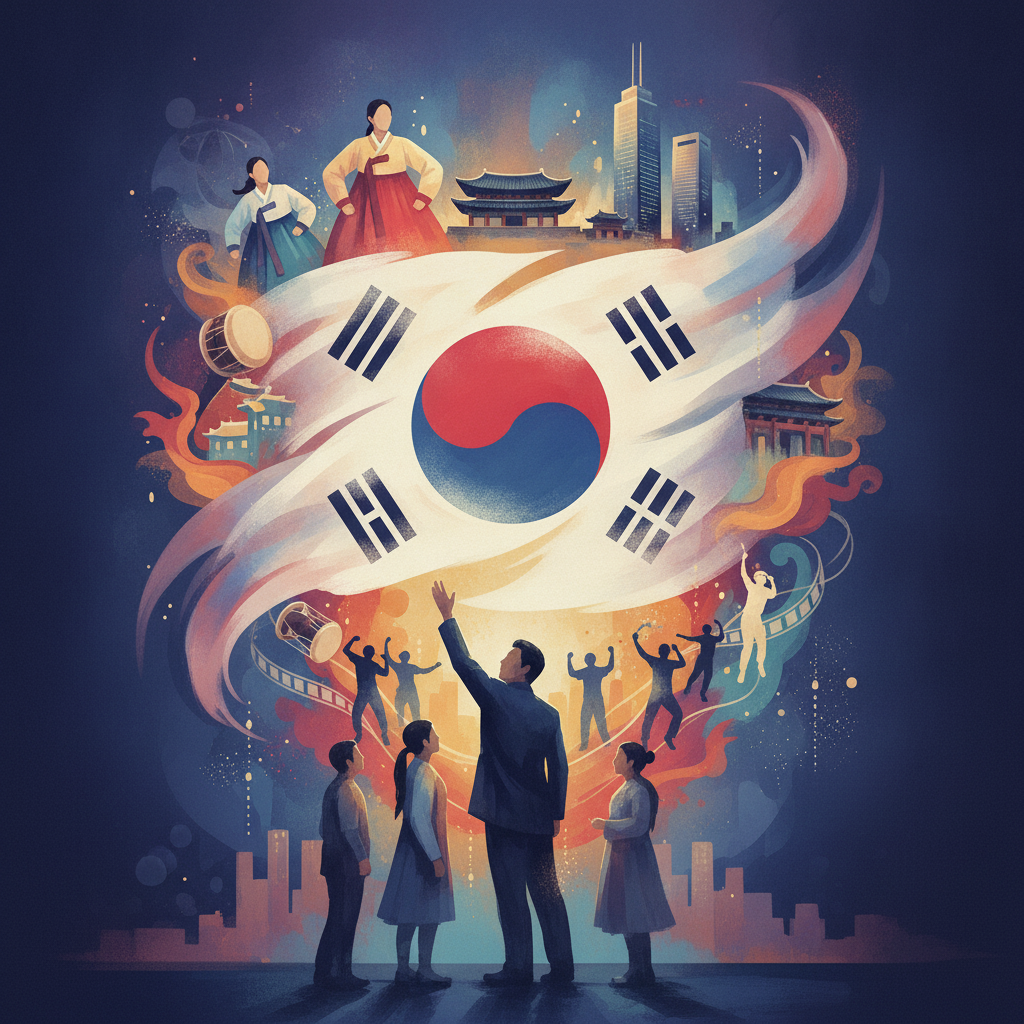
The pulsating rhythms of K-pop, the captivating narratives of K-dramas, and the innovative flair of Korean cinema have captivated millions worldwide, transforming “Hallyu” (the Korean Wave) into a true global phenomenon. Yet, behind the dazzling performances and compelling storylines lies a significant, often underappreciated, factor: the strategic support and vision from South Korea’s government, particularly the office of its President. For global fans looking to understand the ecosystem that birthed their favorite cultural exports, grasping this interplay between politics and culture is crucial.
From the early days of Hallyu in the late 1990s, successive South Korean administrations recognized the immense potential of cultural content as a powerful tool for national branding and economic growth. They didn’t merely stand by; they actively invested. Policies were enacted to foster the creative industries, providing substantial funding for production, supporting international marketing efforts, and robustly protecting intellectual property. Institutions like the Ministry of Culture, Sports and Tourism, along with various specialized agencies, have been instrumental in building the robust infrastructure that allows artists, producers, and creators to thrive and reach global audiences. This includes initiatives ranging from supporting talent development programs to organizing global cultural festivals and promoting the Korean language through institutes worldwide.
The presidency, as the highest office, plays a pivotal role in setting the national agenda, including priorities for cultural development. Each administration, through its cultural policies and diplomatic initiatives, subtly (or overtly) shapes the environment in which K-culture flourishes. For instance, international cultural exchange programs, government-backed tours, and strategic partnerships are designed to spread Korean soft power, creating new avenues for fan engagement and market penetration. These efforts ensure that Hallyu isn’t just a fleeting trend but a deeply embedded aspect of Korea’s global identity, consistently reinforced by top-down support.
Moreover, the symbolism of the presidential office itself carries significant weight. When a president advocates for K-culture on the world stage—whether through state visits, public endorsements, or policy directives—it elevates its status and opens doors. This sustained commitment from the highest levels of government provides stability and legitimacy, signaling to both domestic creators and international consumers that Korean culture is a national priority. Discussions surrounding the nation’s leadership, including prominent figures who have been central to political discourse around the presidency, such as Lee Jae Myung, frequently highlight this continuous interplay between political vision and cultural triumph. As Hallyu continues its global expansion, the ongoing relationship between Korea’s dynamic cultural industries and its strategic governmental backing remains a cornerstone of its remarkable global success.
Source: Korea.net Culture News (https://www.korea.net/Government/Administration/President-Lee-Jae-Myung)