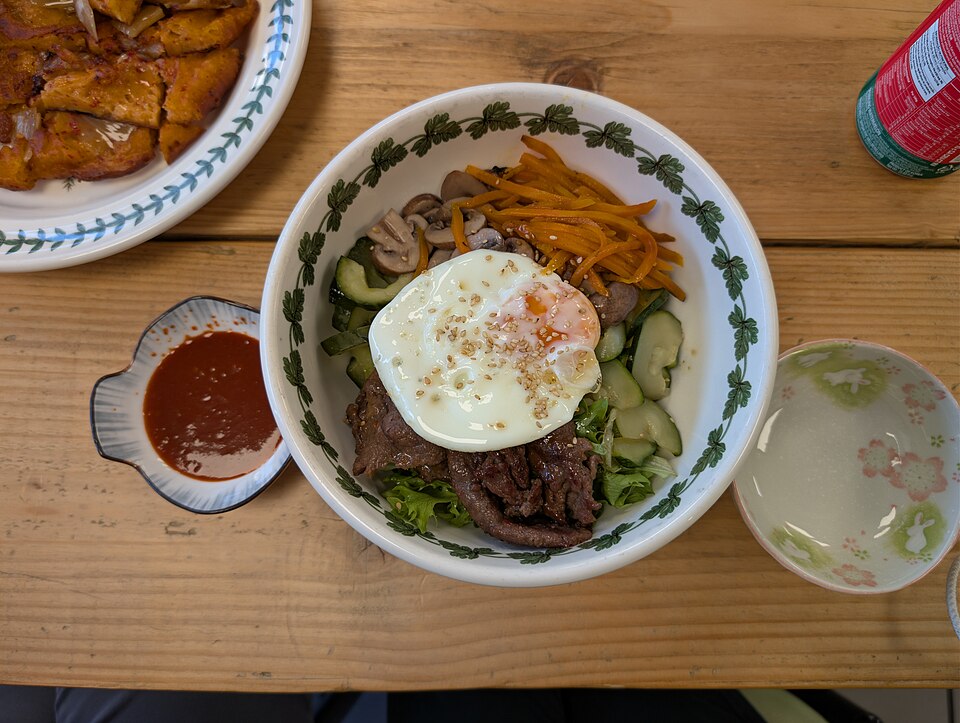
In the vibrant tapestry of Korean cuisine, few dishes capture the essence of its culture and culinary philosophy quite like Bibimbap. Meaning “mixed rice,” this iconic dish is more than just a meal; it’s a canvas of colors, textures, and flavors, meticulously arranged to be joyfully combined into a harmonious whole.
Historically, Bibimbap has humble origins, often described as a practical meal created to use up leftover *banchan* (side dishes) before the New Year or festive holidays like *Chuseok*. It was a way to ensure nothing went to waste, embodying thriftiness and resourcefulness. Over centuries, it evolved from a simple farmer’s meal to a royal court delicacy known as *goldongban*, and today, it stands as a global ambassador of Korean comfort food.
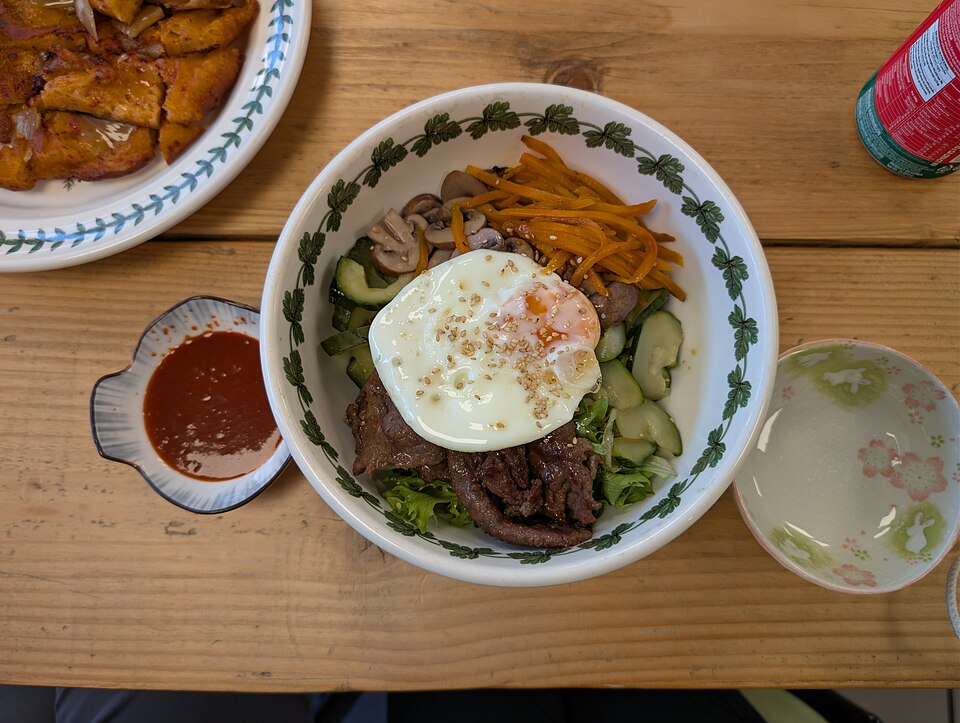
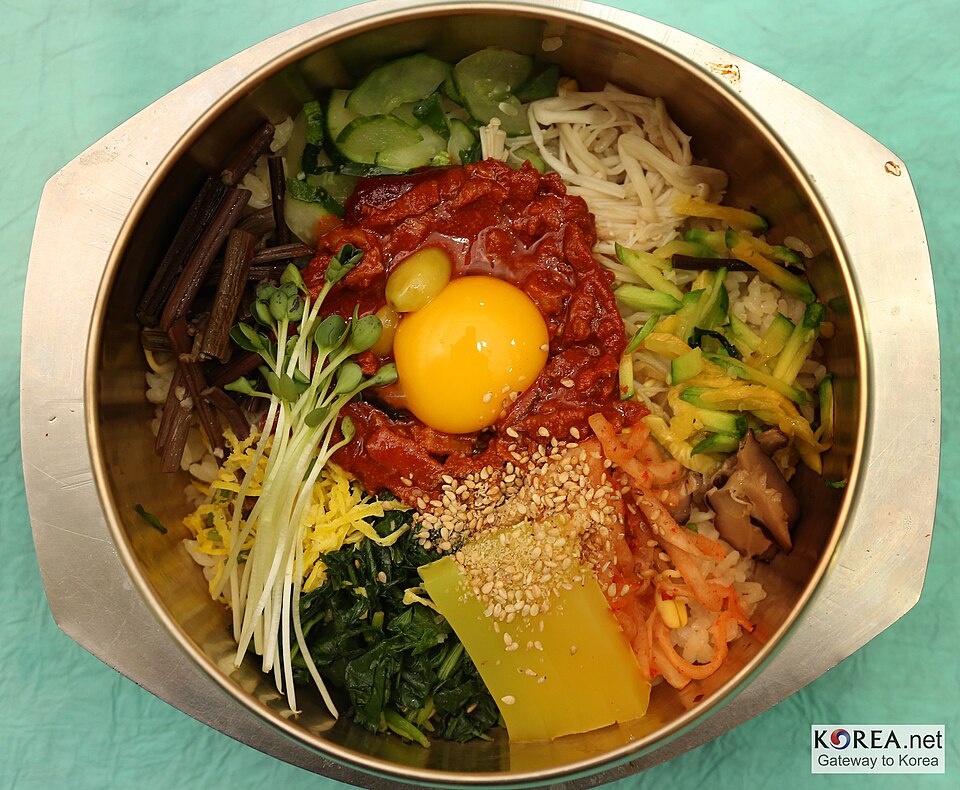
What makes Bibimbap truly special is this deliberate assembly and the ritual of mixing. A perfectly cooked bed of white rice forms the base, crowned with an array of meticulously prepared ingredients: sautéed seasonal vegetables (such as spinach, carrots, zucchini, and bean sprouts), savory marinated meat (often beef), and typically, a fried egg with a runny yolk. The dish is then completed with a dollop of *gochujang* (Korean chili paste), a drizzle of sesame oil, and a sprinkle of toasted sesame seeds. The magic happens just before eating, as you thoroughly mix everything together, allowing the rich *gochujang*, the nutty sesame oil, and the creamy egg yolk to coat every grain of rice and every ingredient, creating a symphony of savory, sweet, spicy, and umami notes in every mouthful.
Beyond its delightful taste, Bibimbap is a nutritional powerhouse. It’s a remarkably balanced meal, providing carbohydrates from rice, lean protein from meat or tofu and egg, and a wealth of vitamins, minerals, and fiber from its abundant vegetable content. The star ingredient, *gochujang*, is a fermented chili paste, contributing probiotics beneficial for gut health. Many of the accompanying vegetables are lightly blanched or sautéed, retaining much of their nutritional value, while spices like garlic and ginger (often used in marinades) offer immune-boosting and anti-inflammatory properties. It’s a complete meal that nourishes both body and soul.
Ready to bring the vibrant flavors of Korea into your kitchen? Here’s how to make a classic Bibimbap at home.
**Classic Bibimbap Recipe (Serves 1)**
**Ingredients:**
* 1 cup cooked short-grain rice
* 100g thinly sliced beef (or firm tofu), marinated with 1 tsp soy sauce, 1/2 tsp sugar, 1/2 tsp minced garlic, 1/2 tsp sesame oil, pinch of black pepper
* 1 large egg
* 1 cup fresh spinach, blanched
* 1/2 small carrot, julienned
* 1/4 medium zucchini, julienned
* 1/2 cup bean sprouts, blanched
* 2-3 shiitake mushrooms, sliced
* 1 tbsp sesame oil (for cooking vegetables)
* Salt to taste
**For Bibimbap Sauce:**
* 2 tbsp Gochujang (Korean chili paste)
* 1 tbsp sesame oil
* 1 tsp sugar or rice syrup
* 1 tbsp rice vinegar (optional, for tang)
* 1 tsp roasted sesame seeds
* 1 tsp minced garlic (optional)
**Garnish:** Toasted sesame seeds, *gim* (seaweed laver) strips
**Instructions:**
1. **Cook Rice:** Prepare your short-grain rice according to package directions.
2. **Prepare Protein:** Sauté the marinated beef (or tofu) in a lightly oiled pan until fully cooked. Set aside. In the same pan, fry the egg to your preferred doneness (sunny-side up with a runny yolk is traditional).
3. **Prepare Vegetables:**
* **Spinach:** Blanch the spinach for 30 seconds, drain well, squeeze out excess water. Season lightly with a tiny pinch of salt and 1/4 tsp sesame oil.
* **Bean Sprouts:** Blanch bean sprouts for 1-2 minutes until tender-crisp. Drain and season with a tiny pinch of salt and 1/4 tsp sesame oil.
* **Carrots, Zucchini, Mushrooms:** Heat 1 tbsp sesame oil in a pan. Sauté carrots for 2-3 minutes until slightly tender. Set aside. Repeat with zucchini and then mushrooms, seasoning each with a tiny pinch of salt as they cook.
4. **Make Bibimbap Sauce:** In a small bowl, whisk together all the Bibimbap sauce ingredients until well combined.
5. **Assemble:** Place the cooked rice in the center of a large serving bowl. Artfully arrange the cooked beef (or tofu), fried egg, and each of the prepared vegetables around the rice. Place a generous dollop of the Bibimbap sauce in the center.
6. **Garnish and Serve:** Sprinkle with toasted sesame seeds and *gim* strips. Serve immediately. Encourage your diners to mix everything thoroughly before eating to enjoy the full Bibimbap experience!
Feature: K-Food Spotlight – Bibimbap