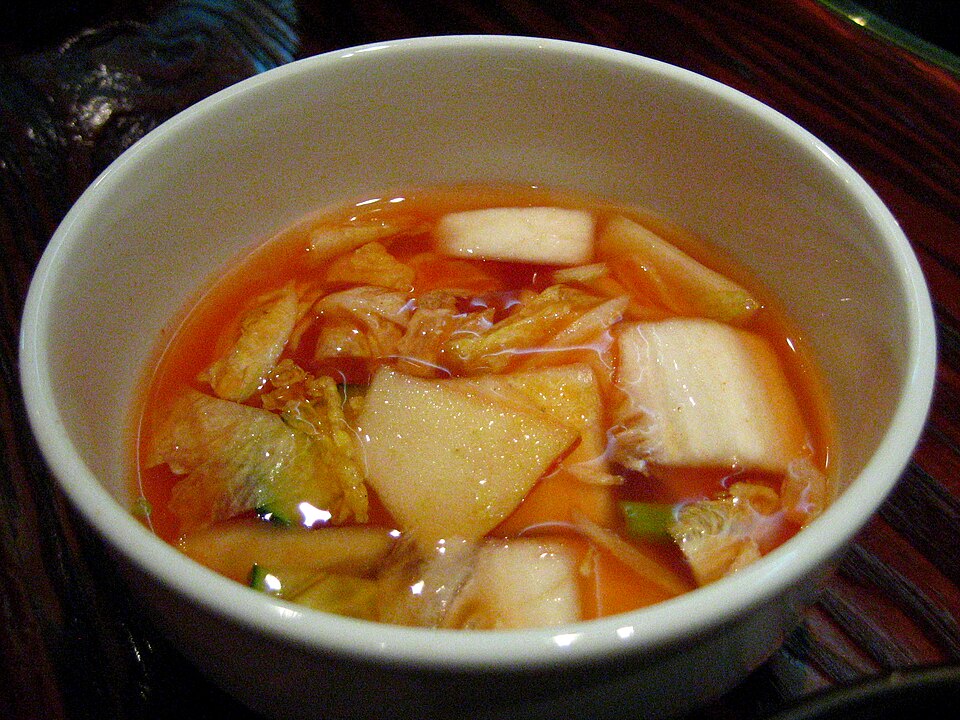
When most people think of kimchi, a fiery red, pungent, and intensely spicy fermented cabbage dish often springs to mind. But the world of kimchi is vastly diverse, offering a spectrum of flavors and textures that extend far beyond the iconic *baechu kimchi*. Enter Nabak Kimchi, a sparkling gem in Korean cuisine, often referred to as “Watery Kimchi.” This elegant, refreshing variety offers a gentle, palate-cleansing experience, proving that kimchi can be both subtle and profoundly satisfying.
Historically, Nabak Kimchi, alongside *dongchimi* (another watery kimchi), has graced Korean tables for centuries, particularly cherished during warmer months or as a soothing accompaniment to rich, oily dishes. Its simpler, clearer broth style reflects an older tradition of kimchi-making, preceding the heavier reliance on chili paste that became more prevalent later. It was, and still is, a testament to utilizing seasonal vegetables to create a light yet flavor-packed side dish, often served in a small bowl like a cool soup or a vibrant beverage.
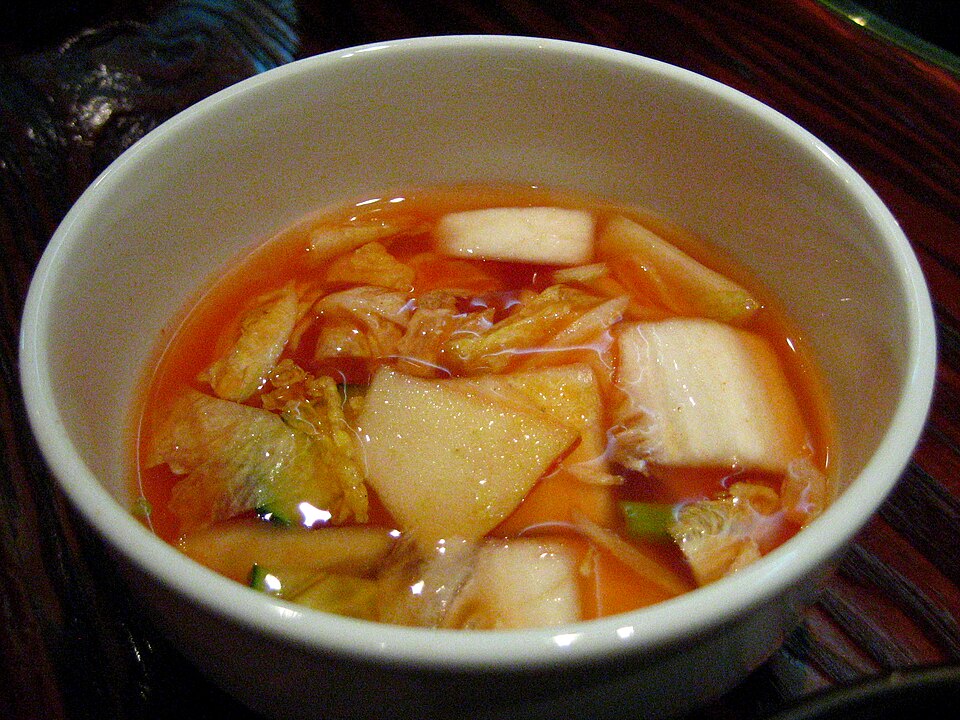
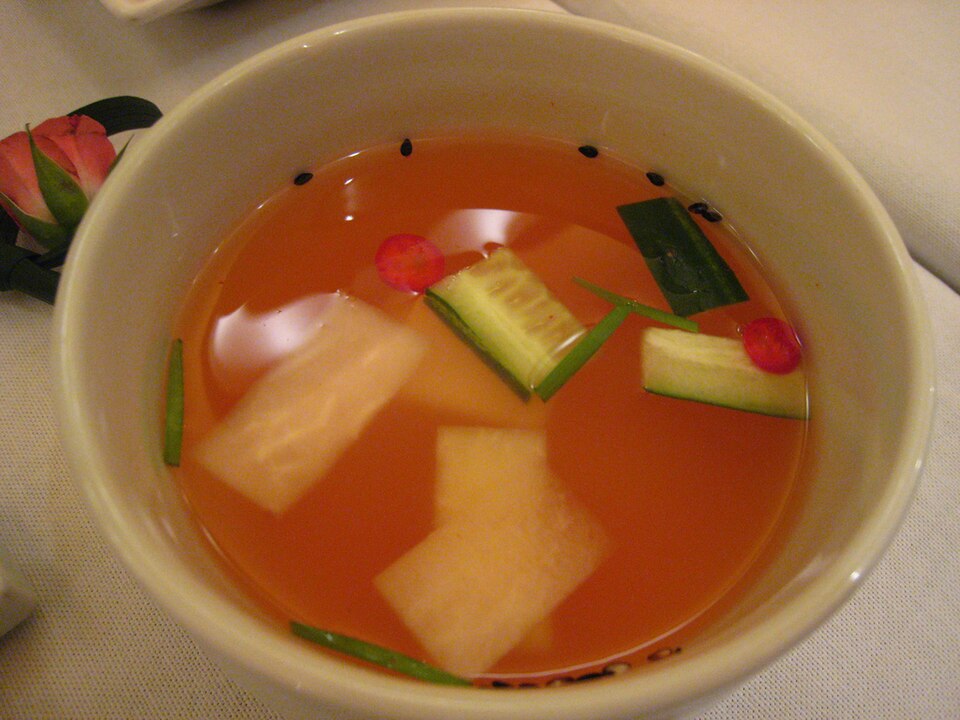
What makes Nabak Kimchi so special is its delicate balance. Unlike its potent cousins, Nabak Kimchi boasts a clean, effervescent flavor profile. Imagine crisp napa cabbage and crunchy Korean radish, lightly seasoned and steeped in a translucent, subtly sweet, tangy, and mildly spicy brine. The flavors are bright and fresh, with hints of garlic, ginger, and a faint blush of red from finely ground chili powder, which primarily lends color rather than overwhelming heat. The addition of fresh Asian pear contributes a natural sweetness and crisp texture, making each spoonful an invigorating burst of coolness. It’s the ultimate palate cleanser, a hydrating accompaniment that cuts through richness and refreshes the senses.
Beyond its delightful taste, Nabak Kimchi offers a trove of health benefits, rooted in traditional Korean culinary wisdom. As a fermented food, it’s a fantastic source of probiotics, beneficial bacteria that support a healthy gut microbiome, aiding digestion and potentially boosting immunity. The primary ingredients, napa cabbage and Korean radish, are packed with vitamins (C and K), minerals, and dietary fiber, contributing to overall well-being. The small amount of gochugaru (Korean chili flakes) contains capsaicin, known for its anti-inflammatory properties, while ginger and garlic offer potent antioxidants. Low in calories and wonderfully hydrating, Nabak Kimchi is a guilt-free pleasure that nourishes from within.
Ready to bring this refreshing delight to your own kitchen? Here’s how to make your own Nabak Kimchi at home:
**Homemade Nabak Kimchi (Watery Kimchi) Recipe**
**Ingredients:**
* 1 small head Napa cabbage (about 1.5-2 lbs / 700-900g)
* ½ medium Korean radish (or daikon radish, about 1 lb / 450g)
* 3-4 cups filtered water (for brine)
* 2 tablespoons sea salt (for brining vegetables)
* 8 cups filtered water (for kimchi broth)
* ½ medium Asian pear (or Bosc pear), peeled and cored
* 5 cloves garlic, peeled
* 1-inch piece fresh ginger, peeled
* 1 tablespoon fine gochugaru (Korean chili powder) – use fine for clearer broth
* 2 tablespoons sugar
* 1-2 teaspoons sea salt (for broth, to taste)
* 2-3 stalks spring onion, cut into 2-inch pieces
* Optional: A few thin slices of red chili or carrot for garnish
**Instructions:**
1. **Prepare Vegetables:** Wash the napa cabbage and Korean radish thoroughly. Cut the cabbage into approximately 1.5-inch (4cm) squares. Slice the radish into thin, bite-sized rectangles or squares of similar size.
2. **Brine Vegetables:** In a large bowl, combine the cut cabbage and radish. Sprinkle with 2 tablespoons of sea salt and gently toss to coat. Add 3-4 cups of filtered water, ensuring the vegetables are mostly submerged. Let them brine at room temperature for about 30-45 minutes until slightly softened but still crisp.
3. **Rinse and Drain:** After brining, thoroughly rinse the cabbage and radish under cold running water 2-3 times to remove excess salt. Squeeze gently to remove excess water and set aside in a colander to drain completely.
4. **Make Seasoning Paste:** In a blender or food processor, combine the peeled Asian pear, garlic, and ginger with about ½ cup of the 8 cups of filtered water. Blend until smooth.
5. **Infuse Chili Color and Flavor:** In a separate small bowl, mix the pureed pear mixture with 1 tablespoon of fine gochugaru. Let it sit for 5-10 minutes to allow the color and flavor to infuse.
6. **Create Broth:** Strain the gochugaru-pear mixture through a fine-mesh sieve directly into a large pitcher or bowl that will hold your kimchi. Use the back of a spoon to press all the liquid through, leaving any pulp behind for a clear broth. Discard the pulp.
7. **Combine Broth Ingredients:** To the strained liquid, add the remaining 7.5 cups of filtered water, 2 tablespoons of sugar, and 1-2 teaspoons of sea salt. Stir well until the sugar and salt are dissolved. Taste the broth and adjust sweetness or saltiness to your preference. It should taste slightly salty and sweet, with a hint of garlic/ginger.
8. **Assemble Kimchi:** Add the rinsed and drained napa cabbage, Korean radish, and spring onion pieces to the large pitcher or container. If using, add optional red chili or carrot slices.
9. **Ferment and Store:** Pour the prepared broth over the vegetables, ensuring they are fully submerged. Cover the container loosely and leave it at room temperature for 6-12 hours (longer in cooler climates, shorter in warmer ones) to allow initial fermentation. You’ll see tiny bubbles and a slightly sour aroma when it’s ready.
10. **Chill and Serve:** Once a slight sourness develops, transfer the Nabak Kimchi to the refrigerator. It’s best served chilled. The flavors will continue to develop and deepen over the next few days. It can be stored in the refrigerator for up to 1-2 weeks.
Feature: K-Food Spotlight – Nabak Kimchi (Watery Kimchi)