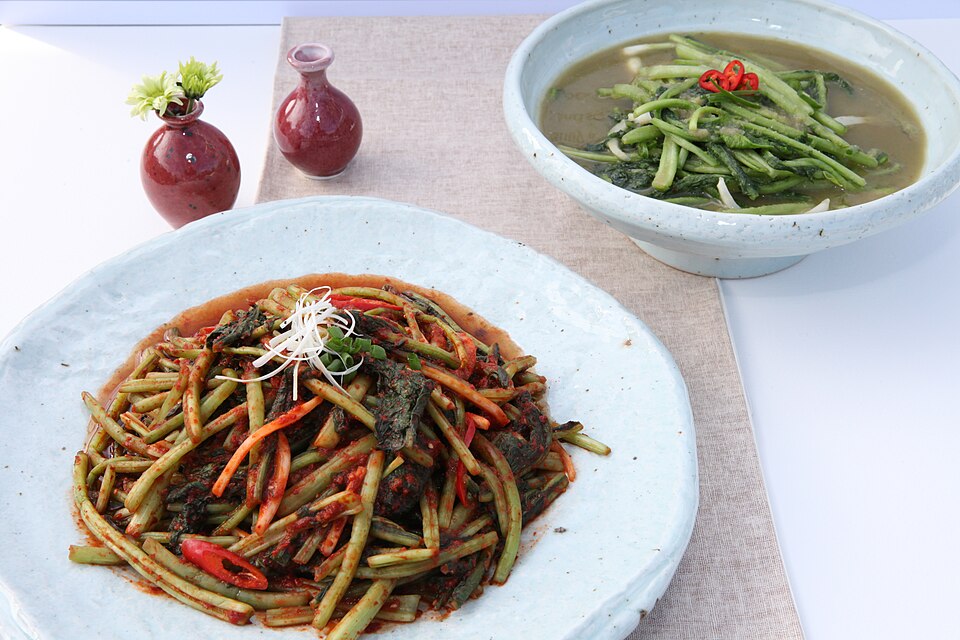
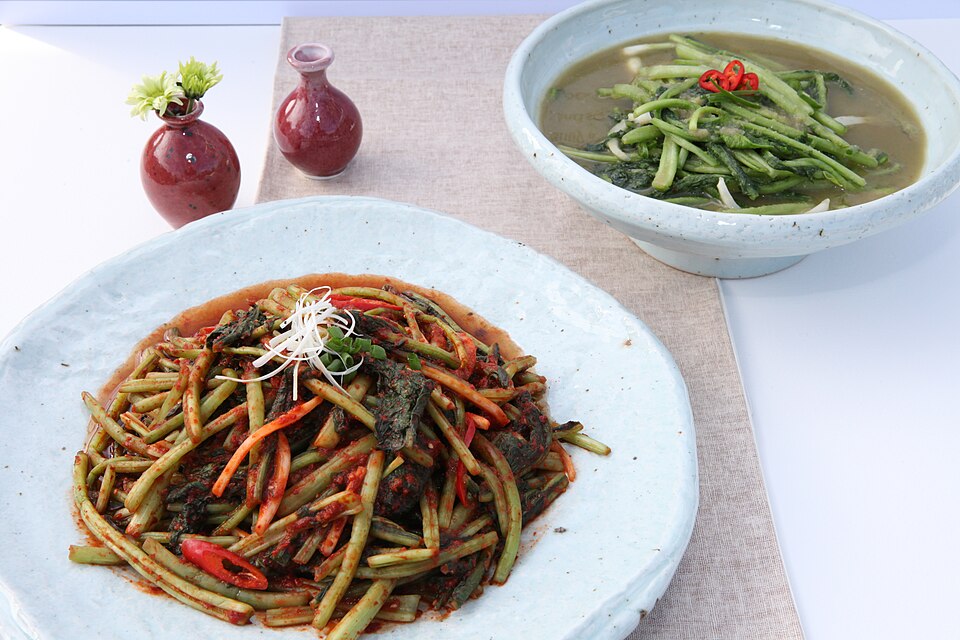
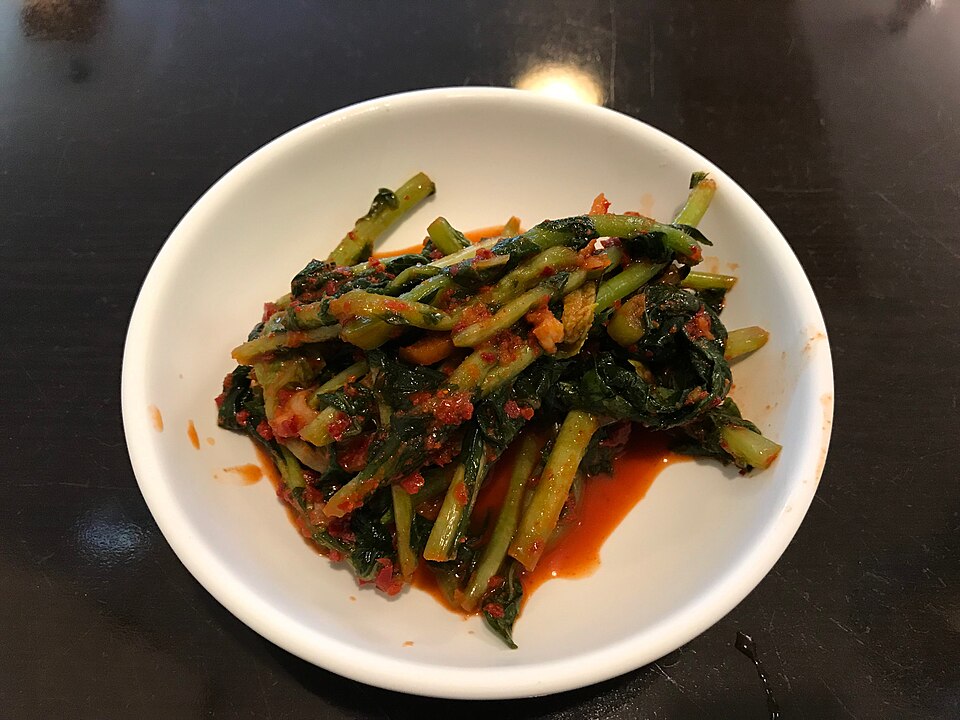
As the world increasingly embraces the vibrant flavors of Korean cuisine, many discover the myriad varieties of kimchi beyond the familiar napa cabbage staple. Among these, Yeolmu Kimchi, made from young radishes and their leafy greens, stands out as a truly refreshing revelation, especially as warmer weather approaches. This crisp, tangy, and subtly spicy ferment is a testament to Korean culinary ingenuity, offering a unique sensory experience that invigorates the palate.
Historically, Yeolmu Kimchi has been cherished for its seasonal charm. Harvested in late spring and early summer, young radishes are prized for their tender leaves and small, firm roots, which have yet to develop the intense bitterness of their mature counterparts. Unlike the deep, complex flavors of aged *baechu kimchi*, Yeolmu Kimchi is typically enjoyed fresh or lightly fermented, making it a perfect accompaniment to cooling summer dishes like *bibim guksu* (spicy mixed noodles) or *naengmyeon* (cold noodles). Its ephemeral nature adds to its allure, making it a highly anticipated seasonal *banchan* (side dish) that brightens any meal.
What makes Yeolmu Kimchi truly special is its unique flavor profile and texture. Each bite delivers an incredibly satisfying crunch from both the small radish roots and their accompanying stems. This is swiftly followed by a delightful interplay of tastes: a clean, slightly peppery kick from the radish, a refreshing tanginess from the fermentation, and a gentle warmth from the chili flakes, balanced by notes of garlic and ginger. There’s a subtle, pleasant bitterness that prevents it from becoming overwhelmingly sweet or sour, leaving a remarkably clean finish. It’s less intensely pungent than some other kimchis, making it incredibly approachable for newcomers while still deeply satisfying for seasoned kimchi lovers.
Beyond its delectable taste, Yeolmu Kimchi is a powerhouse of nutrition, aligning with the ancient Korean philosophy of food as medicine. Like all fermented foods, it is rich in probiotics, beneficial bacteria that support a healthy gut microbiome, aiding digestion and potentially boosting overall well-being. The young radishes and their greens are packed with vitamins (especially Vitamin C and K), minerals, and dietary fiber, contributing to satiety and digestive health. Furthermore, the characteristic Korean spices—garlic, ginger, and *gochugaru* (Korean chili flakes)—are known for their antioxidant and anti-inflammatory properties, adding layers of health benefits to this already wholesome dish.
Ready to make this refreshing classic at home? Here’s how you can create your own batch of Yeolmu Kimchi.
**Homemade Yeolmu Kimchi Recipe**
**Ingredients:**
* 1.5 kg (approx. 2-3 bundles) young radishes (yeolmu), leaves and small roots intact
* 1/2 cup coarse sea salt, for brining
* 1 tablespoon glutinous rice flour
* 1 cup water
* 1/4 cup *gochugaru* (Korean chili flakes), adjust to your spice preference
* 1/4 cup fish sauce
* 1/2 medium onion, grated or finely minced
* 5-6 cloves garlic, minced
* 1 thumb-sized piece ginger, minced
* 3 tablespoons plum extract (Maesil-cheong) or sugar
* 4-5 stalks green onions, chopped into 1-inch pieces
**Instructions:**
1. **Prepare Radishes:** Gently clean the young radishes without scrubbing too hard to preserve their delicate skin. Trim off any yellowed leaves or tough ends. Cut the radishes into 2-3 inch pieces, separating the roots if they are larger, but keeping the leaves and stems attached.
2. **Brine Radishes:** Place the cut radishes in a large bowl and sprinkle evenly with the coarse sea salt. Gently toss to coat. Let them sit for 45-60 minutes, tossing every 15 minutes, until the radishes have softened and become pliable. This helps remove excess water and tenderizes them.
3. **Make Porridge Paste:** While the radishes are brining, whisk the glutinous rice flour with 1 cup of water in a small saucepan. Cook over medium-low heat, stirring constantly, until the mixture thickens into a translucent paste, about 3-5 minutes. Let it cool completely. This paste helps bind the seasonings and promotes fermentation.
4. **Prepare Seasoning Paste:** In a large mixing bowl, combine the cooled glutinous rice flour paste, *gochugaru*, fish sauce, grated onion, minced garlic, minced ginger, and plum extract (or sugar). Mix thoroughly until all ingredients are well combined into a smooth paste.
5. **Rinse and Drain:** Once the radishes are brined, rinse them under cold running water 2-3 times to remove excess salt. Be gentle to avoid damaging the leaves. Squeeze lightly to remove excess water, but don’t over-squeeze.
6. **Combine and Mix:** Add the rinsed and drained radishes and the chopped green onions to the bowl with the seasoning paste. Using gloved hands, gently massage the paste into the radishes, ensuring every piece is evenly coated. Be careful not to bruise the leaves.
7. **Ferment:** Pack the Yeolmu Kimchi tightly into an airtight container or a clean glass jar. Press down firmly to remove any air pockets. Leave about an inch of headspace. Close the lid and let it ferment at room temperature (around 20-25°C or 68-77°F) for 1-2 days. You’ll know it’s ready when you see small bubbles and smell a pleasant sour aroma.
8. **Refrigerate:** Once fermented to your liking, transfer the kimchi to the refrigerator. It will continue to ferment slowly and develop deeper flavors over time. Enjoy it fresh or let it age for up to 2-3 weeks for a tangier taste.
Enjoy your homemade Yeolmu Kimchi as a side dish, mixed into rice, or as a vibrant addition to any meal!
Feature: K-Food Spotlight – Yeolmu Kimchi (Young Radish Kimchi)