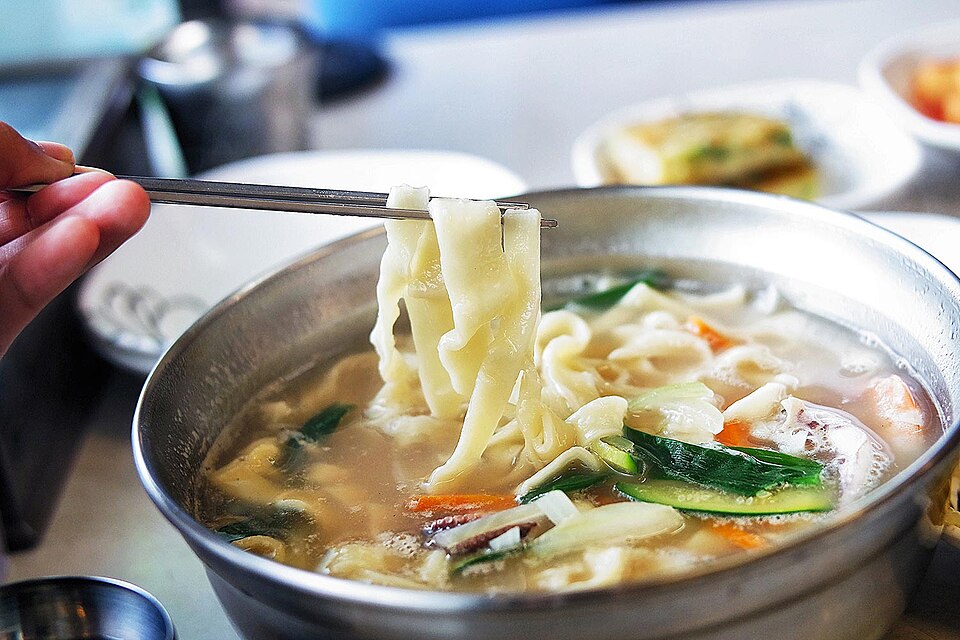
In the vibrant tapestry of Korean cuisine, there are dishes that transcend mere sustenance, offering a profound sense of comfort and home. Kalguksu, or Knife-Cut Noodle Soup, is one such culinary embrace. Its name literally translates to “knife noodles,” a testament to the traditional method of preparing its distinctive, chewy strands by hand. Historically, this humble yet hearty soup has been a staple in Korean households, especially on rainy days or during family gatherings, embodying warmth and shared joy. Wheat, once a more precious commodity, made these simple noodles a celebrated treat, a tradition that continues to this day.
What makes Kalguksu so special lies in its exquisite simplicity and depth. The broth, typically a light yet savory dashi made from dried anchovies and kelp (dashima), provides a rich umami foundation. This delicate base cradles the thick, hand-cut wheat noodles, which boast an irregularly satisfying chewiness that sets them apart from machine-made varieties. Infused with fresh vegetables like zucchini, potato, and mushrooms, the soup offers a harmonious blend of earthy notes, subtle sweetness, and a clean finish. It’s a dish that feels both robust and refreshing, customizable with various proteins from tender chicken to succulent clams, yet always centered around that comforting noodle core.
Beyond its delicious appeal, Kalguksu offers several nutritional upsides. The generous inclusion of fresh vegetables like zucchini and potatoes provides essential vitamins, minerals, and dietary fiber, contributing to digestive health and overall well-being. The traditional anchovy-kelp broth is naturally low in fat and a good source of minerals like iodine from the kelp. While the noodles themselves are primarily carbohydrates for energy, adding lean protein options such as chicken breast or clams significantly boosts the dish’s protein content, aiding muscle repair and satiety. Fresh garlic and scallions add not just flavor but also beneficial compounds with antioxidant properties. It’s a balanced meal that warms the body and nourishes the soul without relying on heavy fats or excessive spices.
Ready to bring a taste of Korean comfort into your kitchen? Crafting Kalguksu at home is a rewarding experience, allowing you to appreciate the art of noodle-making firsthand. Here’s a detailed recipe to guide you:
**Homemade Kalguksu (Knife-Cut Noodle Soup) Recipe**
**Ingredients:**
* **For the Noodles:**
* 2 cups (250g) all-purpose flour, plus extra for dusting
* 1/2 tsp salt
* 1 tbsp vegetable oil (optional, for elasticity)
* 1/2 cup (120ml) warm water (plus 1-2 tbsp more if needed)
* **For the Broth:**
* 6 cups (1.5L) water
* 10 large dried anchovies, gutted (remove heads and guts for a cleaner taste)
* 1 (4×4 inch / 10x10cm) piece dried kelp (dashima)
* **For the Soup:**
* 1 medium zucchini, julienned or thinly sliced
* 1 small potato, peeled and thinly sliced
* 1/2 cup sliced mushrooms (shiitake or oyster recommended)
* 2-3 cloves garlic, minced
* 1/4 cup chopped scallions, plus more for garnish
* 1-2 tbsp soy sauce (to taste)
* Salt and black pepper to taste
* *Optional Protein:* 1/2 cup cooked shredded chicken or 1 cup fresh clams (scrubbed clean)
* **For Garnish (Optional):**
* Thinly sliced fresh scallions
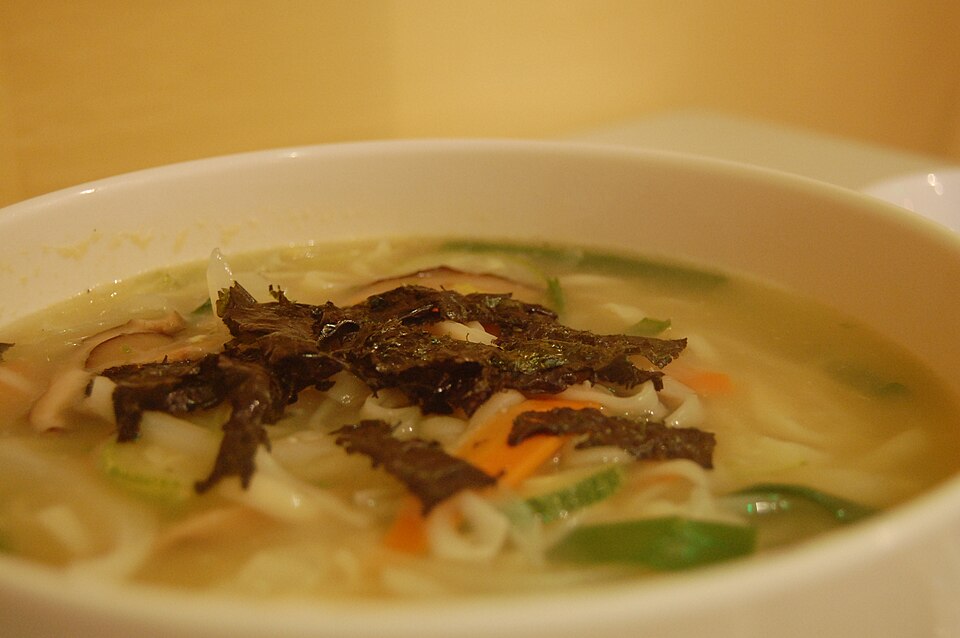
* Shredded gim (roasted seaweed)
* A pinch of gochugaru (Korean chili flakes)
* Sesame seeds
**Instructions:**
1. **Prepare the Noodle Dough:** In a large bowl, combine flour, salt, and optional vegetable oil. Gradually add the warm water, mixing until a shaggy dough forms. Turn onto a lightly floured surface and knead for 8-10 minutes until the dough is smooth and elastic. Cover with plastic wrap and let rest at room temperature for at least 30 minutes (or up to 2 hours). This resting step is crucial for developing the noodle’s chewy texture.
2. **Make the Broth:** In a large pot, combine 6 cups of water with the gutted dried anchovies and dried kelp. Bring to a boil over medium-high heat, then reduce heat to low and simmer for 15-20 minutes. Remove and discard the anchovies and kelp, leaving behind the flavorful broth. Keep the broth warm over low heat.
3. **Prep Vegetables & Protein:** While the broth simmers, prepare your vegetables. If using clams, place them in a separate small pot with 1/2 cup water, cover, and steam until they open. Remove clams and filter their broth into the main anchovy broth (discard any unopened clams). If using cooked chicken, shred it finely.
4. **Roll and Cut Noodles:** Lightly flour your work surface and rolling pin generously. Divide the rested dough in half. Roll out one half very thinly, aiming for about 1/16 to 1/8 inch (2-3mm) thickness. Generously flour the surface again, then fold the dough several times into a rectangle. Using a sharp knife, slice into thin strips, approximately 1/4 inch (0.5cm) wide. Unfurl the noodles and toss gently with more flour to prevent sticking. Repeat with the remaining dough.
5. **Cook the Soup:** Bring the prepared broth to a rolling boil. Add the sliced potatoes and cook for 2-3 minutes until slightly tender. Add the hand-cut noodles, zucchini, mushrooms, minced garlic, and the 1/4 cup chopped scallions. Stir gently to prevent the noodles from sticking together. Cook for 5-7 minutes, or until the noodles are tender but still delightfully chewy. If using chicken or clams, add them in the last 2 minutes of cooking to warm through.
6. **Season and Serve:** Season the soup with soy sauce, salt, and black pepper to taste, adjusting to your preference. Ladle the hot Kalguksu into individual bowls. Garnish generously with additional thinly sliced scallions, shredded gim, a sprinkle of gochugaru, and sesame seeds if desired. Serve immediately and savor the comforting warmth of this Korean classic.
Feature: K-Food Spotlight – Kalguksu (Knife-Cut Noodle Soup)